Creating a healthy, green lawn is one of the best ways to improve your property’s appearance and outdoor usability. Whether you are building a new lawn, replacing damaged grass, or improving an existing landscape, choosing between sod and grass seed is an important first step. Both options can produce a beautiful lawn, but they differ in installation time, cost, maintenance, and how quickly you can enjoy the results.
For homeowners in Buffalo, NY, the decision requires additional consideration. Western New York experiences cold winters, snowy conditions, spring rainfall, warm summer periods, and seasonal temperature changes. These conditions influence when grass establishes successfully and which lawn installation method makes the most sense.
So, when comparing sod vs grass seed, which option is better for your property? The right choice depends on your budget, project timeline, lawn condition, and long-term landscaping goals. Prime Landscapers helps homeowners make informed landscaping decisions based on their property’s needs and local growing conditions.
1. What Is Sod and How Does It Work?
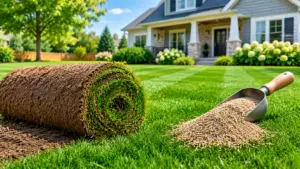
Sod is mature grass that is grown by a professional supplier and harvested in sections with a layer of soil and established roots. These sections are delivered to your property and installed over properly prepared ground.
Unlike starting a lawn from seed, sod provides an immediate layer of established grass. Once installed, its roots begin growing into the underlying soil. With appropriate watering and care, the lawn gradually becomes established.
Benefits of sod installation include:
- Immediate visual improvement: Sod creates a green, finished appearance shortly after installation.
- Faster lawn establishment: You do not have to wait for seeds to germinate and develop into mature grass.
- Reduced soil exposure: A properly installed sod lawn covers bare soil, helping reduce erosion.
- More predictable appearance: Sod generally provides a more consistent starting point for lawn color and coverage.
- Less initial weed opportunity: Dense sod can reduce the amount of exposed soil where weeds may establish.
For homeowners who want to improve curb appeal quickly, professional sod installation can be a practical solution.
However, sod requires careful ground preparation, proper placement, and consistent watering. Installing it over compacted or poorly graded soil can prevent roots from establishing correctly.
2. What Is Grass Seed and How Does It Work?
Grass seeding involves spreading grass seed over prepared soil and providing the moisture and care needed for germination. The seeds develop roots and shoots before gradually filling in the lawn.
Grass seed is often selected for new lawn projects, bare patches, and larger areas where homeowners want to manage installation costs.
Benefits of grass seeding include:
- Lower initial material cost: Grass seed generally costs less than purchasing enough mature sod to cover the same area.
- More grass variety options: Homeowners can select seed blends suited to sunlight, shade, soil conditions, and regional weather.
- Flexible application: Seeding works well for large areas and smaller lawn repairs.
- Strong root development: Grass grown from seed can develop roots directly within the prepared soil.
- Suitable for gradual improvements: Seeding allows homeowners to improve their lawn in stages when necessary.
The main disadvantage is time. Seeded lawns need suitable temperatures, moisture, and protection while germinating and establishing. Heavy rain, dry conditions, foot traffic, and birds can interfere with successful growth.
If you are not in a hurry to achieve a finished appearance, grass seed can be an economical way to establish a new lawn.
3. Sod vs Grass Seed: Key Differences
Understanding the differences between sod and grass seed makes it easier to choose the right approach for your Buffalo property.
| Comparison | Sod | Grass Seed |
| Initial appearance | Green lawn immediately after installation | Requires time to grow |
| Initial cost | Generally higher | Generally lower |
| Establishment | Roots must connect with existing soil | Seeds must germinate and develop |
| Weed exposure | Less exposed soil initially | More exposed soil during early growth |
| Maintenance | Careful watering during establishment | Watering and protection during germination |
| Foot traffic | Needs time to establish before regular use | Requires protection until grass is established |
| Installation | Requires careful ground preparation and placement | Requires soil preparation and even seed distribution |
| Best suited for | Faster visual results | Budget-conscious and gradual lawn projects |
Both methods can produce attractive, durable lawns when installed correctly. The difference is how quickly you want results and how much you want to invest at the beginning.
4. Cost of Sod vs Seed in Buffalo NY
Budget is one of the most important considerations when deciding between sod and grass seed. In most cases, grass seed has a lower initial material cost, while sod requires a larger upfront investment.
However, comparing the cost of sod vs seed involves more than the price of the grass itself. You should also consider site preparation, labor, soil improvements, equipment, watering, and ongoing maintenance.
What Affects the Cost of Sod?
Several factors influence the total price of a sod project:
- Lawn size: Larger properties require more sod and installation labor.
- Ground preparation: Removing old grass, weeds, rocks, and debris can increase project costs.
- Soil condition: Compacted or poor-quality soil may require amendments or additional preparation.
- Grading requirements: Uneven ground may need leveling to improve drainage and create a consistent surface.
- Installation complexity: Slopes, narrow access areas, landscaping features, and irregular lawn shapes can affect labor requirements.
- Watering needs: Newly installed sod needs consistent moisture while its roots establish.
Professional residential sod installation can save homeowners time and help ensure that the ground is prepared properly before the grass is placed.
What Affects the Cost of Grass Seed?
Grass seeding generally costs less initially, but the total investment depends on:
- The size of the lawn.
- The selected seed variety or blend.
- Soil preparation and amendments.
- Whether aeration or topsoil is required.
- The amount of seed needed for proper coverage.
- Watering and maintenance during establishment.
- Whether unsuccessful areas need additional seeding.
Grass seed may require repeat applications if germination is uneven or portions of the lawn fail to establish.
Which option is more affordable?
Grass seed is usually the more economical starting option. Sod may cost more initially, but it provides a faster visual transformation. The better investment depends on your priorities, property conditions, and how much time you can dedicate to lawn establishment.
5. Which Option Is Better for Buffalo NY Weather?
Buffalo’s climate is an important factor when planning a new lawn. Cold winters, snowfall, spring moisture, and summer heat can affect grass establishment.
Cool-season grasses are commonly used in Western New York because they grow well during cooler parts of the year. However, both sod and seed need suitable conditions to establish successfully.
Best Conditions for Sod Installation
Spring and early fall are generally favorable periods for installing sod in Buffalo. These seasons often provide moderate temperatures that help reduce moisture stress.
Fall installation can give sod time to establish roots before winter dormancy, provided it is installed early enough and receives appropriate care. Spring installation can also work well when the soil is workable and temperatures are suitable.
During summer, sod may still be installed, but warmer temperatures can increase watering requirements. Newly installed grass can dry out quickly if moisture is inconsistent.
Best Conditions for Grass Seeding
Late summer and early fall are often favorable for establishing cool-season grass seed in Western New York. The soil is generally warm enough for germination, while cooler air temperatures can support healthy growth.
Spring seeding is another option, although young grass may face competition from weeds and summer heat before becoming fully established.
For either method, proper timing depends on current weather, soil temperature, rainfall, and the condition of your property.
6. How Long Does Sod Take to Establish Compared to Grass Seed?
The time required to establish a lawn is one of the biggest differences between these options.
Sod establishment: Sod provides an immediate green surface, but it is not ready for unrestricted use immediately after installation. Roots need time to connect with the soil underneath. Under favorable conditions and with proper watering, this process may take several weeks.
Grass seed establishment: Grass seed must first absorb moisture and germinate. Germination time varies by grass variety and growing conditions. Some varieties begin sprouting within days, while others take longer. The lawn then needs additional time to develop strong roots and fill in.
Several factors affect establishment time:
- Grass variety and seed quality.
- Soil preparation and drainage.
- Temperature and sunlight.
- Watering consistency.
- Rainfall and weather conditions.
- Foot traffic and lawn protection.
If you need a lawn that looks finished quickly, sod is generally the better choice. If you can wait for gradual growth, seeding may be more suitable.
7. Maintenance Requirements for Sod and Grass Seed
Both options require attention during the establishment stage. The maintenance routine differs, but watering, mowing, and protecting young grass are essential.
Maintaining a Newly Installed Sod Lawn
New sod needs regular moisture so the roots can establish in the soil below.
Follow these general maintenance practices:
- Water the sod thoroughly immediately after installation.
- Keep the sod and underlying soil consistently moist during the initial establishment period.
- Avoid allowing water to pool or create saturated conditions.
- Limit foot traffic until the roots have started to establish.
- Check root development before beginning regular mowing.
- Use sharp mower blades and avoid cutting the grass too short.
Once the sod is established, gradually adjust watering to encourage deeper root development.
Maintaining a Newly Seeded Lawn
Seeded lawns need careful moisture management, especially during germination.
Helpful practices include:
- Prepare a smooth, well-drained seedbed.
- Spread seed evenly according to the recommended application rate.
- Lightly cover the seed if appropriate for the selected grass variety.
- Keep the surface consistently moist without washing seeds away.
- Protect the area from heavy foot traffic.
- Wait until the grass reaches an appropriate height before its first mowing.
Avoid applying excessive fertilizer or using weed control products without checking whether they are suitable for newly seeded grass.
8. When Should You Choose Sod for Your Buffalo Property?
Sod may be the better choice when your landscaping goals involve speed, appearance, or reducing the time that soil remains exposed.
Consider sod if:
- You are preparing your property for a planned event or outdoor gathering.
- Your front yard needs a quick curb appeal improvement.
- You are replacing a large area of damaged or dead grass.
- You want a more consistent lawn appearance from the beginning.
- You need to reduce exposed soil on a properly prepared landscape.
- You prefer professional installation rather than managing the germination process.
A professional sod installation service can help evaluate soil conditions, prepare the area, and install the grass correctly.
9. When Is Grass Seed the Better Choice?
Grass seed may be more suitable when your project has a flexible timeline and you want to control initial expenses.
Consider seeding if:
- You are starting a lawn on a limited budget.
- You have a large area to cover.
- You want to select a specific grass blend.
- You are repairing smaller bare patches.
- You can protect the area during germination.
- You have time to manage watering and early lawn maintenance.
Seeding can also be a practical option for improving an existing lawn through overseeding, particularly when the grass is thin but the underlying lawn remains healthy.
10. Why Professional Lawn Installation Matters
Whether you choose sod or grass seed, the quality of preparation plays a major role in the final result.
Poor drainage, compacted soil, uneven grading, and inadequate topsoil can affect root development. Simply placing sod or spreading seed over an unsuitable surface may lead to patchy growth and additional maintenance.
Prime Landscapers understands the importance of preparing outdoor spaces for the local conditions found in Buffalo, NY. A professional lawn installation approach considers the property’s layout, soil condition, drainage, sunlight, and intended use.
Professional landscaping support can help with:
- Removing existing vegetation and debris.
- Preparing and grading the soil.
- Identifying drainage concerns.
- Selecting a suitable lawn establishment method.
- Installing sod or preparing areas for seeding.
- Providing practical guidance for watering and maintenance.
For homeowners planning a new lawn, professional guidance can help prevent avoidable problems and create a stronger foundation for long-term lawn health.
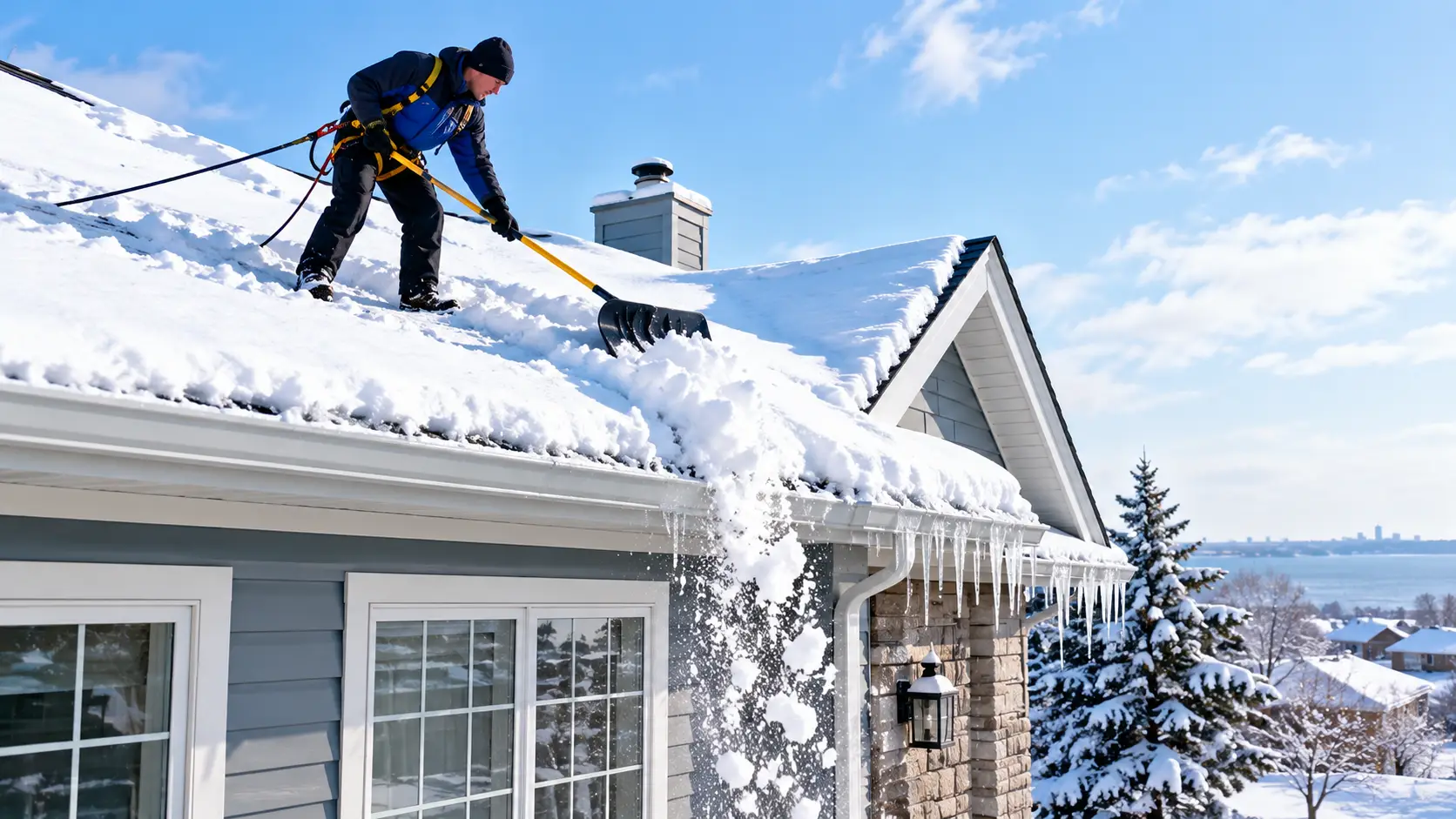
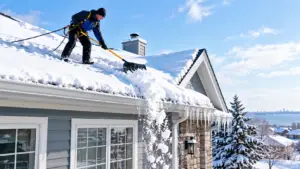
Roof Snow Removal and Ice Dam Prevention for Buffalo Homes
Learn how heavy snowfall, freezing temperatures, and repeated thawing can affect Buffalo homes during winter. Explore the warning signs of excessive roof snow, how ice dams form, and why proper attic insulation and ventilation can help reduce ice buildup. Understand the importance of safe snow removal methods that protect roofing materials, gutters, and surrounding property. Planning ahead can help homeowners address winter roof concerns and reduce the risk of moisture damage. For roof-related snow concerns, consult qualified professionals who use appropriate safety equipment and removal techniques.
Continue Reading →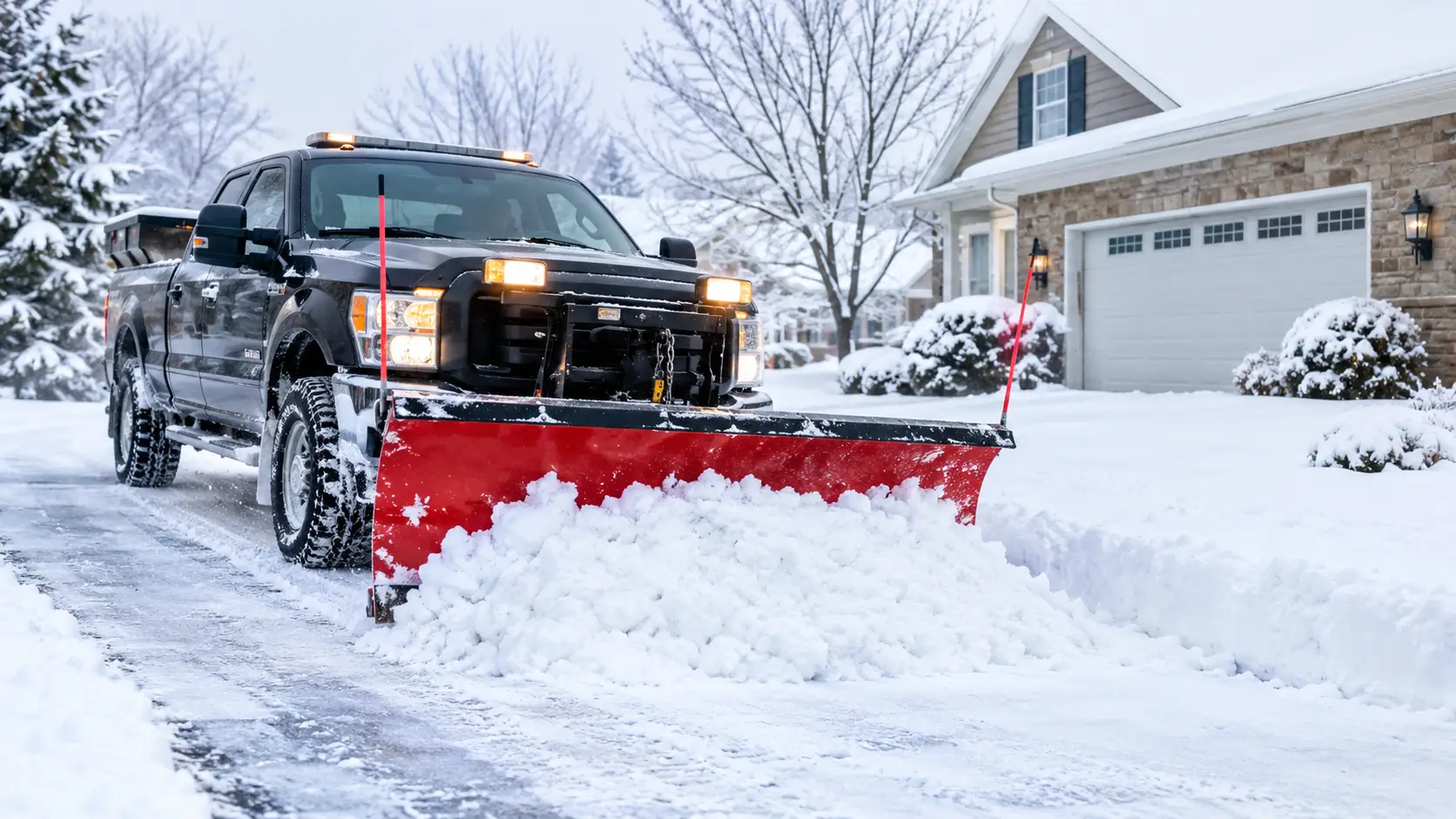
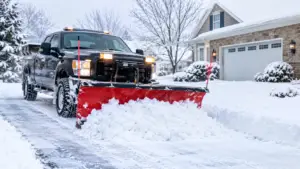
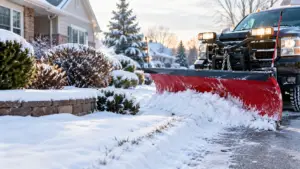
Residential Snow Removal in Buffalo, NY: Winter Planning Guide
Prepare your home for Buffalo’s heavy snowfall with a practical winter maintenance plan. Learn how driveway clearing, walkway maintenance, snow accumulation, ice management, and service scheduling can help maintain safer access to your property. Consider your driveway size, parking needs, property layout, and expected snowfall when planning seasonal service. Arranging snow removal in advance can help reduce disruptions during snowstorms and make daily winter routines easier. Prime Landscapers helps Buffalo-area homeowners plan for seasonal property maintenance and available snow removal services.
Continue Reading →11. Sod or Seed: The Final Verdict for Buffalo Homeowners
So, which is better: sod or seed?
There is no single answer for every property. Sod is generally the better option when you want an immediate green appearance, faster establishment, and a more finished landscape. Grass seed is often the better choice when you want to reduce initial costs, cover a larger area economically, and have time to wait for growth.
For Buffalo homeowners, the most important factors are seasonal timing, soil preparation, drainage, grass selection, and consistent maintenance.
Before starting a new lawn, consider your budget, timeline, property conditions, and how you plan to use the outdoor space. These details will help determine which method provides the best long-term value.
If you are unsure which approach is right for your property, Prime Landscapers can help you evaluate your lawn installation needs and plan the next steps. Visit www.primelandscapers.com to learn more about landscaping services in Buffalo, NY, and take the first step toward a healthier, more attractive lawn.
Frequently Asked Questions
Is sod better than grass seed in Buffalo NY?
Sod is generally better when you want an established-looking lawn quickly. Grass seed is often more affordable and works well when you have time to wait for germination and growth. Both can produce healthy lawns when installed under suitable conditions.
What is cheaper, sod or grass seed?
Grass seed generally has a lower initial material cost than sod. However, total project expenses depend on lawn size, soil preparation, labor, watering, and maintenance. Sod costs more upfront but provides a faster visual result.
What is the best time to install sod in Buffalo NY?
Spring and early fall are generally favorable times for sod installation in Buffalo. Moderate temperatures can support root establishment. The exact timing should depend on soil conditions, weather, and the condition of the property.
How long does it take for sod to establish?
Sod may begin establishing roots within the first few weeks under suitable conditions. Full establishment depends on soil preparation, watering, temperature, and grass variety. Avoid heavy foot traffic until the roots are sufficiently established.
How long does grass seed take to grow?
Grass seed germination varies by grass type and growing conditions. Some varieties begin sprouting within days, while others take longer. Developing a thick, established lawn requires additional time, consistent moisture, and proper maintenance.
Can I install sod over my existing grass?
Installing sod directly over existing grass is generally not recommended. The existing vegetation can interfere with soil contact and root development. Removing old grass and preparing a suitable soil surface helps create better conditions for successful installation.
Does sod require more watering than grass seed?
Both sod and grass seed need consistent moisture during establishment. Sod requires watering to keep the root zone moist, while seeded areas need surface moisture for germination. Watering frequency depends on weather, soil type, and installation conditions.
Should I hire a professional for residential sod installation?
Professional installation can help ensure proper soil preparation, grading, sod placement, and watering guidance. It is especially useful for larger lawns, uneven properties, drainage concerns, or projects where a consistent finished appearance is important.