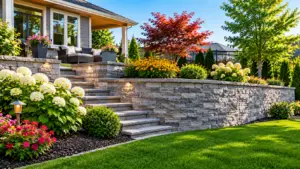
Retaining walls are an important feature of many residential and commercial landscapes, especially when a property has sloped ground, uneven terrain, or soil that shifts during heavy rainfall. In Buffalo, NY, changing weather conditions, snowmelt, and seasonal precipitation can create challenges for properties with elevation changes. A properly designed retaining wall can help manage these conditions while improving the appearance and functionality of an outdoor space.
For property owners considering retaining walls Buffalo NY, understanding the benefits, available materials, installation requirements, and drainage considerations is essential. The right retaining wall can help stabilize soil, reduce erosion, create usable outdoor areas, and complement the overall landscape design.
Prime Landscapers provides landscaping solutions in Buffalo, NY, helping property owners plan outdoor spaces that balance appearance, durability, and practical needs. Whether you are improving a residential yard or evaluating a commercial landscape, this guide explains when a retaining wall may be beneficial and what to consider before starting your project.
What Is a Retaining Wall?
A retaining wall is a structure designed to hold soil in place where there is a change in ground elevation. Unlike a decorative garden border, a retaining wall must withstand pressure from the soil behind it. Depending on the property’s layout and the wall’s height, it may also need to account for water pressure, nearby structures, slopes, and the weight of vehicles or other loads.
Retaining walls are commonly used to:
- Support sloped yards and uneven ground.
- Reduce soil movement and surface erosion.
- Create level areas for lawns, patios, and outdoor seating.
- Define garden beds and landscape boundaries.
- Improve access between different elevations.
- Enhance the appearance of residential and commercial properties.
The most appropriate design depends on the site’s conditions, the amount of soil being retained, drainage requirements, and the property’s intended use. A wall that works well for a small garden bed may not be suitable for a steep slope or a commercial property.
Benefits of Retaining Walls in Buffalo, NY
1. Improved Erosion Control
Erosion occurs when water, wind, or gravity gradually moves soil from one area to another. Sloped properties can be particularly vulnerable when rainfall flows downhill and carries soil toward driveways, sidewalks, planting beds, or neighboring areas.
Retaining walls can help manage elevation changes and limit soil movement when they are properly designed and installed. They can also create defined planting areas where suitable vegetation helps protect exposed soil.
However, a retaining wall alone does not eliminate every erosion problem. Surface grading, drainage systems, and appropriate landscaping may also be necessary to direct water away from vulnerable areas.
2. Better Use of Sloped Outdoor Spaces
A steep or uneven yard can limit how much usable space a property offers. Installing a retaining wall can create a more level area for lawn space, garden beds, walkways, or outdoor seating.
For example, a Buffalo homeowner with a sloping backyard might use a retaining wall to establish a level patio area or separate a lawn from a raised garden. On a commercial property, walls can help organize planting beds, define pedestrian areas, and improve transitions between different elevations.
The design should account for how people will use the space and provide safe access between levels.
3. Enhanced Curb Appeal
Retaining walls can become an attractive part of a property’s overall landscape design. Natural stone, concrete blocks, and other materials offer different colors, textures, and finishes that can complement existing architecture.
A carefully planned wall can frame garden beds, create visual structure, and give an outdoor area a more finished appearance. Coordinating the wall with walkways, patios, lighting, and planting choices can create a unified landscape.
The best result balances appearance with the structural requirements of the site. Decorative finishes should never replace proper engineering, drainage, or construction methods.
4. Support for Long-Term Landscape Planning
Retaining walls can help organize outdoor spaces into distinct functional areas. They may separate lawns from planting beds, establish boundaries around patios, or create terraced garden levels on properties with significant slopes.
As part of a larger hardscaping project, a retaining wall can work alongside steps, walkways, seating areas, and other landscape features. Planning these elements together can improve usability and reduce the need for later modifications.
Retaining Wall Materials: Which Option Is Right?
Selecting the right material affects the wall’s appearance, durability, maintenance requirements, and overall project cost. Site conditions and structural needs should guide the decision.
Concrete Retaining Wall Blocks
Concrete blocks are a popular option because they are available in various shapes, colors, and textures. Many systems are designed to fit together in a way that supports efficient construction and a consistent finish.
A segmental block wall uses individual manufactured blocks arranged in courses, often with interlocking features or a system designed to provide stability. Depending on the product and project requirements, these walls can suit garden areas, landscape terraces, and other retaining applications.
Not every block system is appropriate for every wall height or soil condition. Larger walls may require reinforcement, geogrid, engineered designs, or other structural measures.
Natural Stone
Natural stone can provide a distinctive appearance that complements traditional homes, gardens, and naturalistic landscapes. Its variations in color and texture make it useful for projects where visual character is a priority.
The installation method matters because stone walls can differ considerably in construction style and structural capacity. The wall must be appropriate for the retained soil, expected loads, and drainage conditions.
Natural stone may also require more specialized labor, depending on the material and design.
Poured Concrete
Poured concrete can be suitable for projects requiring a more continuous structural wall. Its appearance can be adapted through finishes, cladding, or surrounding landscaping.
These walls require careful planning, appropriate foundations, and proper construction practices. Reinforcement and wall dimensions must reflect the project’s specific conditions rather than a standard design applied to every property.
Timber
Timber retaining walls may be considered for certain smaller landscape applications where the material suits the desired appearance and site conditions.
Wood can be vulnerable to moisture, decay, and deterioration over time. Material selection, soil contact, drainage, and expected service life should therefore be considered before choosing timber for a retaining wall.
For long-term installations, compare the expected maintenance requirements and durability of timber with other available materials.
Why Drainage Matters for Retaining Walls
Drainage is one of the most important factors in retaining wall performance. Water that accumulates behind a wall can increase pressure against the structure. During Buffalo’s wet seasons and periods of snowmelt, poorly managed water can contribute to movement, cracking, leaning, or other damage.
A properly planned retaining wall project may include several drainage measures.
Drainage aggregate: Suitable gravel or crushed stone behind the wall can help water move toward the intended drainage system.
Perforated drainage pipe: Depending on the design, a drainage pipe may collect water behind the wall and direct it to an appropriate discharge point.
Surface grading: The ground around the wall should be shaped to prevent unwanted water from collecting behind the structure or flowing toward vulnerable areas.
Appropriate outlets: Collected water needs a suitable discharge location that does not create new erosion or drainage problems on neighboring properties.
Drainage details vary with soil type, groundwater conditions, wall height, and the overall site layout. A wall should not be installed without addressing how water will move through and around the structure.
When Do You Need a Retaining Wall?
Not every uneven yard requires a retaining wall. However, certain conditions may indicate that a professional site assessment is worthwhile.
Soil Is Moving Downhill
If soil repeatedly washes away from a slope, planting bed, or embankment, the property may need a more effective erosion management plan. A retaining wall could be part of the solution, along with drainage improvements and suitable vegetation.
Your Yard Has a Steep Slope
Steep terrain can make mowing, gardening, and outdoor recreation difficult. A retaining wall may help create terraces or level sections, provided the design safely accounts for the slope and soil conditions.
Water Collects Around the Property
Persistent water accumulation can contribute to soil instability and affect nearby hardscaping. Before installing a wall, determine whether the underlying issue involves grading, drainage, or other site conditions.
A retaining wall may help manage elevation, but it should not be treated as a substitute for correcting an existing drainage problem.
Existing Walls Are Leaning or Cracking
A wall that is visibly leaning, separating, bulging, or developing significant cracks may have structural or drainage problems. These signs deserve professional attention, particularly if movement is increasing or the wall supports a driveway, building, or heavily used area.
Avoid simply covering the damage with new materials. The cause should be identified before repairs or replacement are planned.
Commercial Retaining Wall Cost: What Affects Pricing?
Understanding commercial retaining wall cost starts with evaluating the specific site and the wall’s intended purpose. Commercial projects can differ significantly in scale, access, structural requirements, and installation complexity.
The main cost factors include:
- Wall dimensions: Taller and longer walls generally require more materials and labor.
- Material selection: Manufactured blocks, natural stone, poured concrete, and timber have different purchase and installation costs.
- Excavation requirements: Difficult access, unsuitable soil, and extensive site preparation can increase labor and equipment needs.
- Drainage systems: Gravel, pipes, outlets, and related drainage work contribute to the project scope.
- Reinforcement and engineering: Certain walls require geogrid, reinforced construction, engineered plans, or specialized installation methods.
- Site access: Limited access for machinery or material delivery can affect the time needed to complete the work.
- Permits and inspections: Depending on the municipality and project details, approvals or inspections may be necessary.
There is no reliable single price for every commercial retaining wall. A site-specific estimate is more useful because it accounts for the actual dimensions, materials, ground conditions, drainage plan, and structural requirements.
When comparing proposals, review the full scope of work rather than comparing only the initial price. Confirm whether excavation, base preparation, drainage, reinforcement, cleanup, and applicable permits are included.
Integrating Retaining Walls With Hardscaping and Landscape Design
Retaining walls often deliver the best results when they are planned as part of a complete outdoor layout. Coordinating the wall with other hardscaping elements can make the property more attractive and functional.
For residential landscapes, a wall might frame a patio, define a raised flower bed, or support a terraced garden. Steps can connect different levels, while suitable plants soften the appearance of the structure.
For commercial properties, retaining walls can help organize landscaped entrances, separate planting areas from pedestrian routes, and improve the appearance of outdoor spaces around offices or other buildings.
Consider these planning principles:
- Choose materials that complement the property’s existing architecture.
- Coordinate wall heights with steps, walkways, and other hardscape features.
- Preserve appropriate drainage paths.
- Select plants suited to the available sunlight, soil, and moisture.
- Consider safe access, visibility, and maintenance requirements.
- Address structural needs before finalizing decorative details.
A coordinated landscape design can help ensure that the retaining wall supports the property’s broader goals instead of functioning as an isolated feature.
Choosing a Retaining Wall Contractor in Buffalo, NY
Retaining wall construction involves more than placing blocks or stones along a slope. Proper site assessment, excavation, base preparation, drainage, and structural planning all affect the finished result.
Before selecting a contractor, ask about experience with similar projects, the proposed wall system, drainage details, and how the design will address the site’s soil and elevation. For taller walls, walls supporting significant loads, or projects near buildings and driveways, ask whether an engineer’s assessment or engineered plans are required.
Local permitting requirements can vary based on wall height, location, and project circumstances. Confirm applicable requirements before construction begins.
Prime Landscapers serves the Buffalo, NY area and helps property owners explore landscaping improvements suited to their outdoor spaces. If your yard has a troublesome slope, recurring soil loss, or an area that could benefit from better organization, discussing your goals with a landscaping professional is a practical starting point.
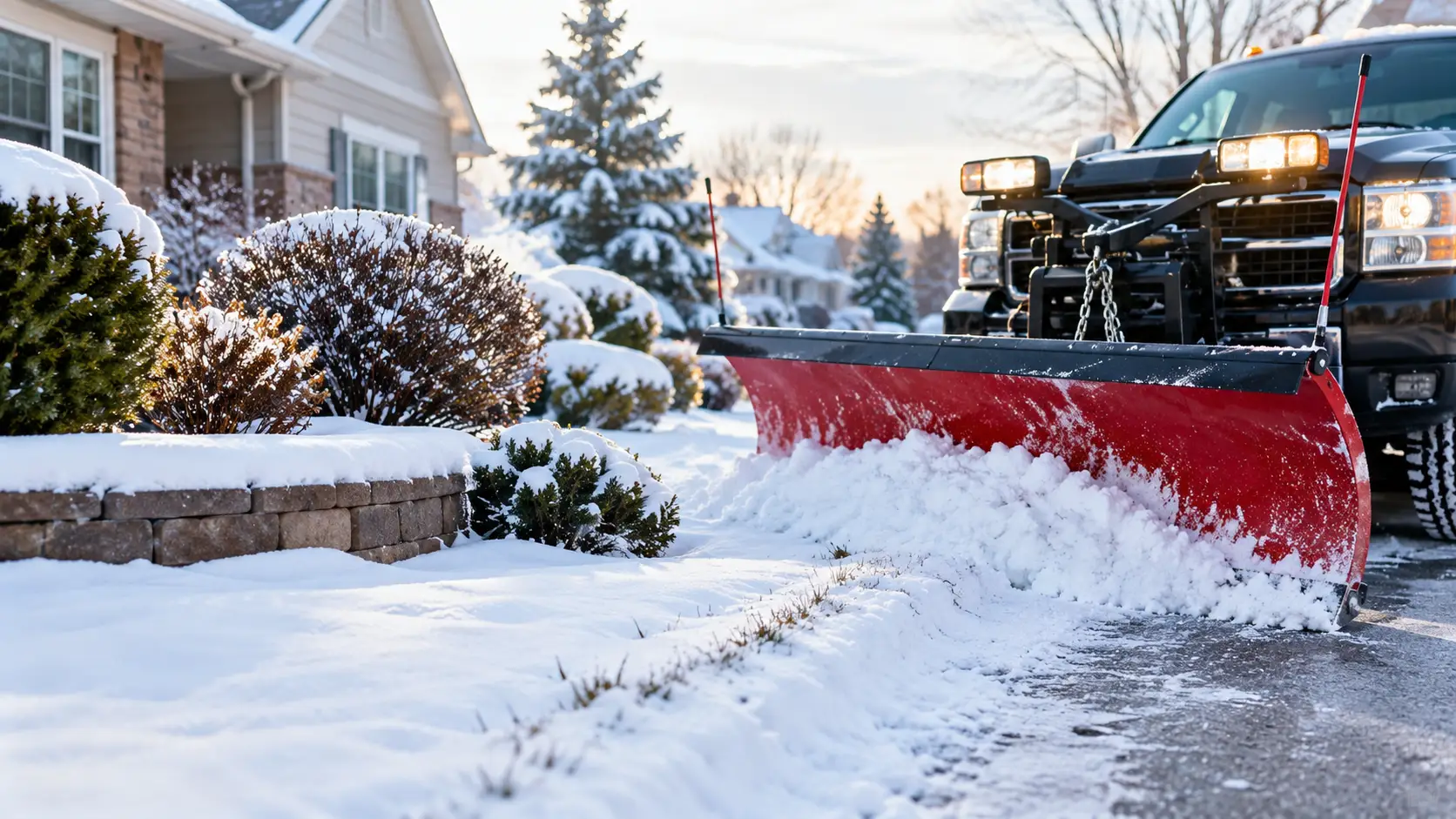
How to Protect Buffalo Lawns and Landscaping from Snow Plow Damage
Discover practical ways to protect lawns, garden beds, shrubs, and landscape borders from snow plow damage during Buffalo winters. Learn how driveway markers, visible property boundaries, careful snow placement, and protective measures can reduce damage and help prevent costly landscape repairs when spring arrives.
Continue Reading →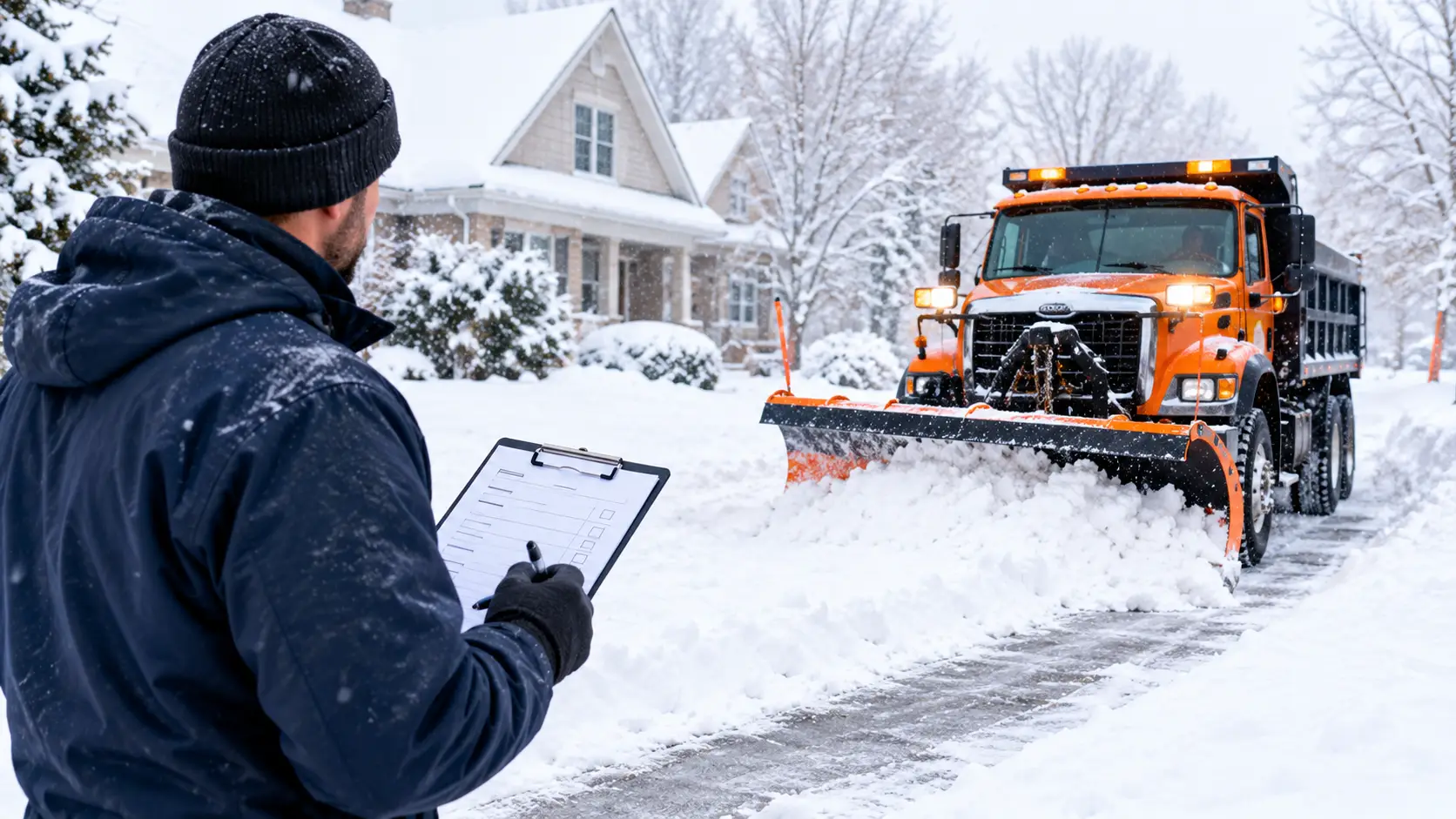
How to Get an Accurate Snow Plowing Estimate in Buffalo, NY
Find out what affects the cost of snow plowing for Buffalo homes and commercial properties. Understand how driveway size, parking areas, snowfall depth, site accessibility, service frequency, salting, de-icing, and seasonal contracts can influence your estimate. Learn what property details to provide when requesting a snow removal quote.
Continue Reading →Improve Your Outdoor Space With a Well-Planned Retaining Wall
Retaining walls can provide valuable support for sloped properties, improve erosion control, create more usable outdoor areas, and add structure to a landscape. The best results depend on choosing appropriate materials, addressing drainage, and designing the wall around the property’s specific conditions.
Whether you are considering a segmental block wall for a residential garden or evaluating commercial retaining wall cost for a larger property, careful planning helps you understand the work involved and make informed decisions.
Prime Landscapers can help Buffalo-area property owners explore landscaping and hardscaping options that complement their properties. Contact Prime Landscapers to discuss your project goals and determine the next steps toward a more functional, attractive outdoor space.
Frequently Asked Questions
What is the main purpose of a retaining wall?
A retaining wall holds soil in place where ground elevations change. It can help manage sloped terrain, reduce soil movement, create level outdoor areas, and improve the organization and appearance of a landscape.
What is the best material for retaining walls in Buffalo, NY?
The best material depends on wall height, soil conditions, drainage, appearance, maintenance expectations, and budget. Concrete blocks, natural stone, poured concrete, and timber may suit different applications. Structural requirements should guide the final selection.
How does a retaining wall help with erosion control?
A properly designed wall supports soil at a change in elevation and can limit downhill soil movement. Effective erosion control may also require appropriate grading, drainage, and vegetation to manage water and protect exposed soil.
What affects commercial retaining wall cost?
Cost depends on wall dimensions, materials, excavation, site access, drainage, reinforcement, engineering, and permitting requirements. A site-specific estimate provides a more reliable assessment than a general price range.
What is a segmental block wall?
A segmental block wall is built from individual manufactured blocks arranged in courses. Many systems use interlocking features and can be suitable for various landscaping applications, provided the selected system meets the wall’s structural and site requirements.
Do retaining walls need drainage?
Most soil-retaining walls need a drainage strategy to manage water behind the structure. Depending on site conditions, this may involve drainage aggregate, perforated pipe, surface grading, and suitable discharge points. Proper drainage helps reduce excess water pressure.
When should a retaining wall be repaired or replaced?
Leaning, bulging, significant cracking, separation, or visible movement may indicate a problem. Have the wall assessed to identify the cause, especially if it supports a driveway, building, or other loaded area.
Can retaining walls improve landscape design?
Yes. Retaining walls can create terraces, frame garden beds, define outdoor living areas, and connect different elevations. Coordinating them with steps, patios, planting, and walkways can improve both the function and appearance of a property.