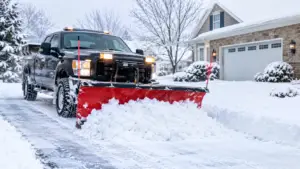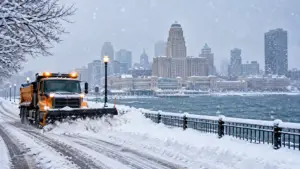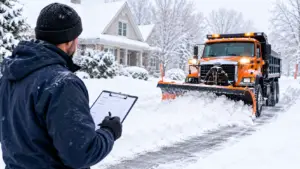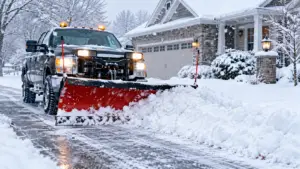
Buffalo, NY is well known for winter weather, but the biggest challenge is not simply the amount of snow that falls. The real issue is how quickly conditions can change. Lake-effect snow can produce intense, localized snowfall while nearby communities receive significantly less. For homeowners and commercial property managers, that unpredictability makes preparation essential.
The National Weather Service reports that Buffalo’s 1991 to 2020 climate normal is about 95.4 inches of snow annually. More than half of Buffalo’s yearly snowfall can come from lake-effect snow, which develops when cold air moves across the relatively warmer waters of Lake Erie and produces narrow, heavy snow bands.
That is why having a dependable plan for buffalo ny snow removal is more than a convenience. A professional snow plan helps property owners prepare equipment, identify problem areas, establish service expectations, and keep driveways, walkways, parking areas, and access points manageable throughout the winter.
“`htmlWhy Buffalo Gets So Much Lake-Effect Snow
Lake-effect snow is one of the main reasons Buffalo’s winter conditions can be so different from other areas only a short distance away.
The process begins when cold air moves over the relatively warm surface of Lake Erie. The temperature difference allows the air to pick up moisture and energy from the lake. As that air travels downwind, it can form narrow snow bands that produce heavy snowfall over a concentrated area.
Wind direction plays a major role in determining where these snow bands develop. According to the National Weather Service, areas south of Buffalo generally receive more lake-effect snow than locations north of the city.
This localized nature creates a major challenge for property owners. A weather forecast may indicate snow across Western New York, but the amount received at one property can be considerably different from another.
For this reason, Buffalo property owners should plan for more than a specific predicted snowfall total. They should also consider how quickly snow may accumulate and whether additional bands could develop after an initial storm.
How Much Snow Does Buffalo Usually Get?
Buffalo’s average snowfall is substantial compared with many other U.S. cities. The current 1991 to 2020 climate normals show approximately 95.4 inches of annual snowfall at Buffalo’s climate station. December, January, February, and March are particularly important months for snow planning.
However, an annual average does not tell the whole story.
Snowfall can arrive through multiple storms, lake-effect bands, mixed precipitation events, and larger regional winter systems. Some storms may produce manageable accumulation, while others can create difficult travel and property access conditions in a short period.
That means a property should not be managed based solely on the question, “How many inches are expected?”
A better approach is to ask:
- How quickly is the snow expected to accumulate?
- Will temperatures remain below freezing?
- Is additional snow likely after the initial cleanup?
- Will wind create drifting?
- Which areas need to remain accessible?
- Where can snow safely be stored?
- How will sidewalks, entrances, stairs, and parking areas be maintained?
These questions are especially important for commercial properties where employees, customers, deliveries, and vehicles need reliable access.
Why Lake-Effect Snow Makes Snow Removal More Difficult
Lake-effect snow creates several challenges that can make winter maintenance more demanding than ordinary snowfall.
Snow Can Accumulate Quickly
A narrow lake-effect band can produce significant accumulation in a relatively short period. When snow falls faster than a property owner can reasonably clear it, driveways and access routes can become difficult to maintain.
Snowfall Can Be Highly Localized
One neighborhood may receive heavy snow while another receives considerably less. This makes generalized assumptions about local conditions risky.
Wind Can Create Drifts
Strong winds can move loose snow from open areas into driveways, walkways, parking lots, and entrances. Even after an area has been cleared, drifting can create new obstacles.
Repeated Clearing May Be Necessary
A single plowing pass may not be enough during a prolonged storm. If snow continues falling, accumulation can quickly cover previously cleared surfaces.
Ice Can Develop After Snow Removal
When temperatures fluctuate, melting snow can refreeze. This can create slippery areas around walkways, entrances, steps, and other high-traffic locations.
These factors explain why a proactive snow removal service can be valuable during Buffalo winters.
What Should a Buffalo Snow Plan Include?
A professional snow plan should be designed before the first major storm rather than created during an emergency.
1. Identify Priority Areas
Start by identifying the areas that must remain accessible.
For a home, this may include the driveway, front walkway, steps, mailbox area, and entrances.
For a commercial property, priorities may include parking lots, sidewalks, loading zones, fire access areas, employee entrances, customer entrances, and accessible parking spaces.
2. Establish Snow Storage Locations
Snow needs somewhere to go after it is removed.
Before winter begins, identify areas where snow can be piled without blocking visibility, drainage, entrances, parking spaces, or pedestrian routes. Poor snow placement can create problems even when the initial plowing work is done correctly.
3. Plan for Multiple Snow Events
Buffalo winters can involve repeated storms and changing conditions. A snow plan should account for more than one event.
Property owners should understand when service begins, how additional snowfall is handled, and whether follow-up clearing or deicing may be required.
4. Protect Pedestrian Access
Walkways can become hazardous quickly when snow and ice accumulate.
A good winter plan should identify pedestrian routes and include appropriate snow and ice management. Entrances deserve special attention because compacted snow and refreezing can increase slip risks.
5. Consider Drainage
Where snow melts can matter as much as where it is piled.
Snow placed near drains, doors, or low areas can contribute to water problems during a thaw. A professional assessment can help identify better snow storage locations before winter weather arrives.
Why Professional Buffalo NY Snow Removal Can Help
Managing snow yourself may be practical for a small property and light snowfall. However, heavier lake-effect events can quickly make the task more difficult.
A professional snow removal team can bring the equipment, planning, and manpower needed for larger or repeated snow events.
For property owners searching for buffalo ny snow removal, the goal should not simply be finding someone who owns a plow. It is important to find a service provider that understands local winter conditions and can establish a clear process before a storm arrives.
Professional planning can help with:
- Storm monitoring and preparation
- Snow plowing
- Driveway and parking lot clearing
- Sidewalk snow removal
- Snow relocation
- Ice management
- Repeat clearing during prolonged snowfall
- Access route prioritization
- Post-storm cleanup
The specific services needed will depend on property size, layout, use, and winter exposure.
When Should You Schedule Snow Removal?
Waiting until snow is already blocking your property can create unnecessary stress.
The best time to arrange service is before the winter season becomes active. Buffalo’s lake-effect season can begin as early as November, with lake-effect activity often strongest around December according to the National Weather Service.
A pre-season discussion gives property owners time to review their property, discuss service expectations, identify snow storage areas, and establish priorities.
For commercial properties, early planning is particularly useful because snow management can affect employees, customers, deliveries, parking availability, and daily operations.
Winter Storm Preparation for Buffalo Properties
Good winter storm preparation starts with understanding the property itself.
Before winter, inspect the condition of the driveway, parking lot, sidewalks, curbs, drainage areas, lighting, and entrances. Mark objects that could become difficult to see under snow, such as low landscaping features, curbs, irrigation components, or raised structures.
Property owners should also consider where vehicles will be parked during major storms and where removed snow can safely be placed.
For businesses, it can be helpful to establish communication procedures so the property manager knows who is responsible for snow service and when the property should be inspected after a storm.
The City of Buffalo’s winter snow plan itself uses different readiness stages, including Snow Alert, Snow Plowing, and Snow Emergency conditions. That reflects the importance of adjusting operations according to winter weather severity rather than treating every snowfall the same way.
Why Local Experience Matters
Buffalo’s snow conditions are not uniform. Lake-effect bands can make snowfall highly localized, and properties can experience different accumulation depending on their location and exposure.
A local landscaping and snow management company can evaluate practical details that are easy to overlook, including narrow driveways, slopes, parking layouts, pedestrian routes, snow storage limitations, and areas where drifting commonly occurs.
For homeowners and businesses, local experience can also make communication easier. When winter weather changes quickly, having an established service relationship can be more useful than trying to arrange snow removal after a storm has already started.
Choosing a Snow Removal Service in Buffalo
Before hiring a snow removal provider, ask clear questions about the service.
Consider asking:
- What areas do you service?
- What type of properties do you handle?
- How do you respond during major snow events?
- Is repeat clearing available during prolonged storms?
- Do you provide sidewalk service?
- How is snow handled when normal storage areas become full?
- Do you provide ice management?
- How will service updates be communicated?
- Are seasonal or per-event options available?
You should also make sure the scope of work is clearly explained before winter begins.
The right plan depends on the property, expected use, access requirements, and winter conditions. A residential driveway does not require the same strategy as a busy commercial parking lot.
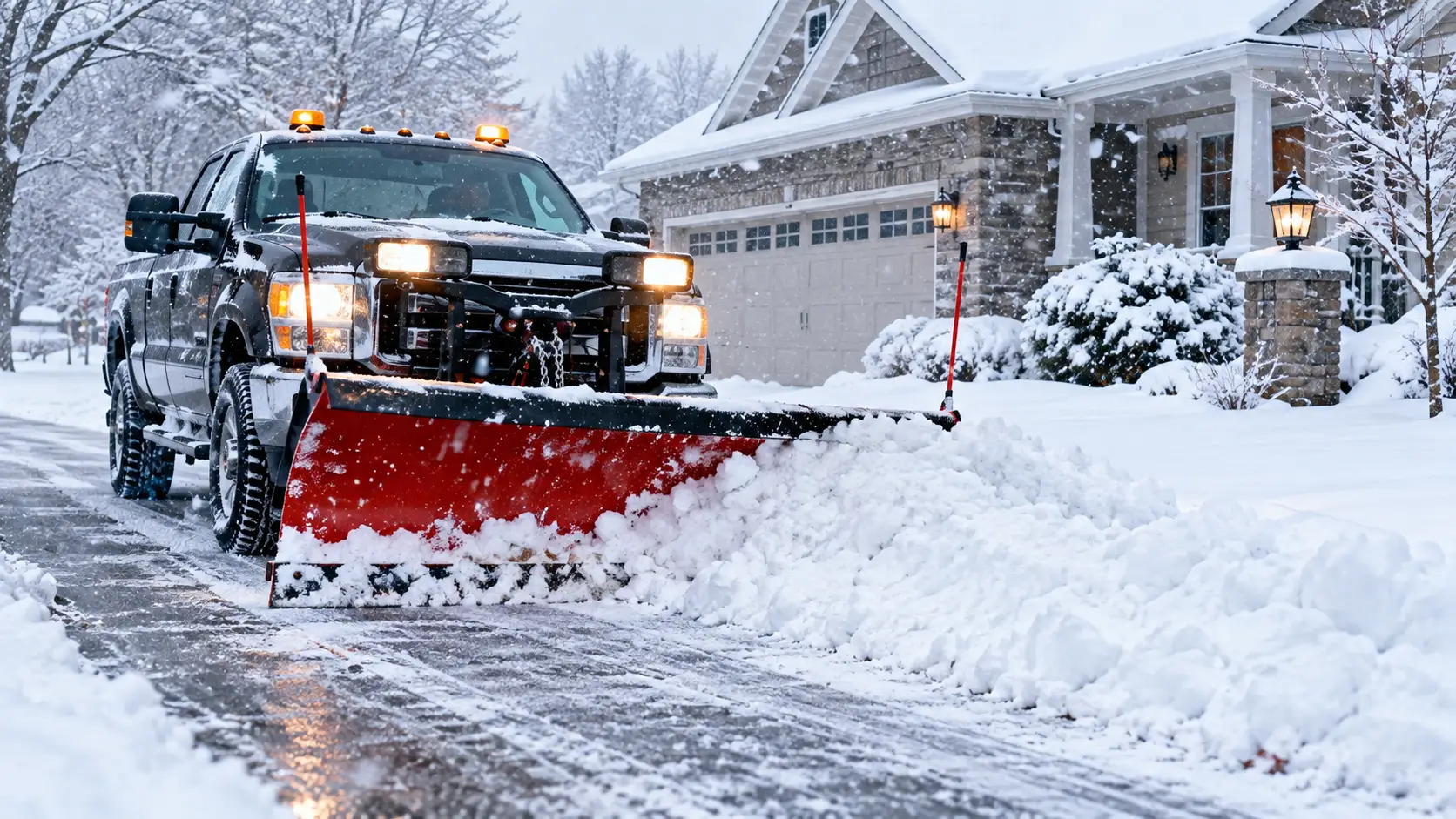
Snow Removal Service in Buffalo, NY for Safer Winter Property
Learn how professional snow removal can help Buffalo properties remain accessible during winter storms. Explore snow plowing, sidewalk clearing, de-icing, salting, parking area maintenance, driveway clearing, access routes, and practical winter service planning for residential and commercial properties.
Continue Reading →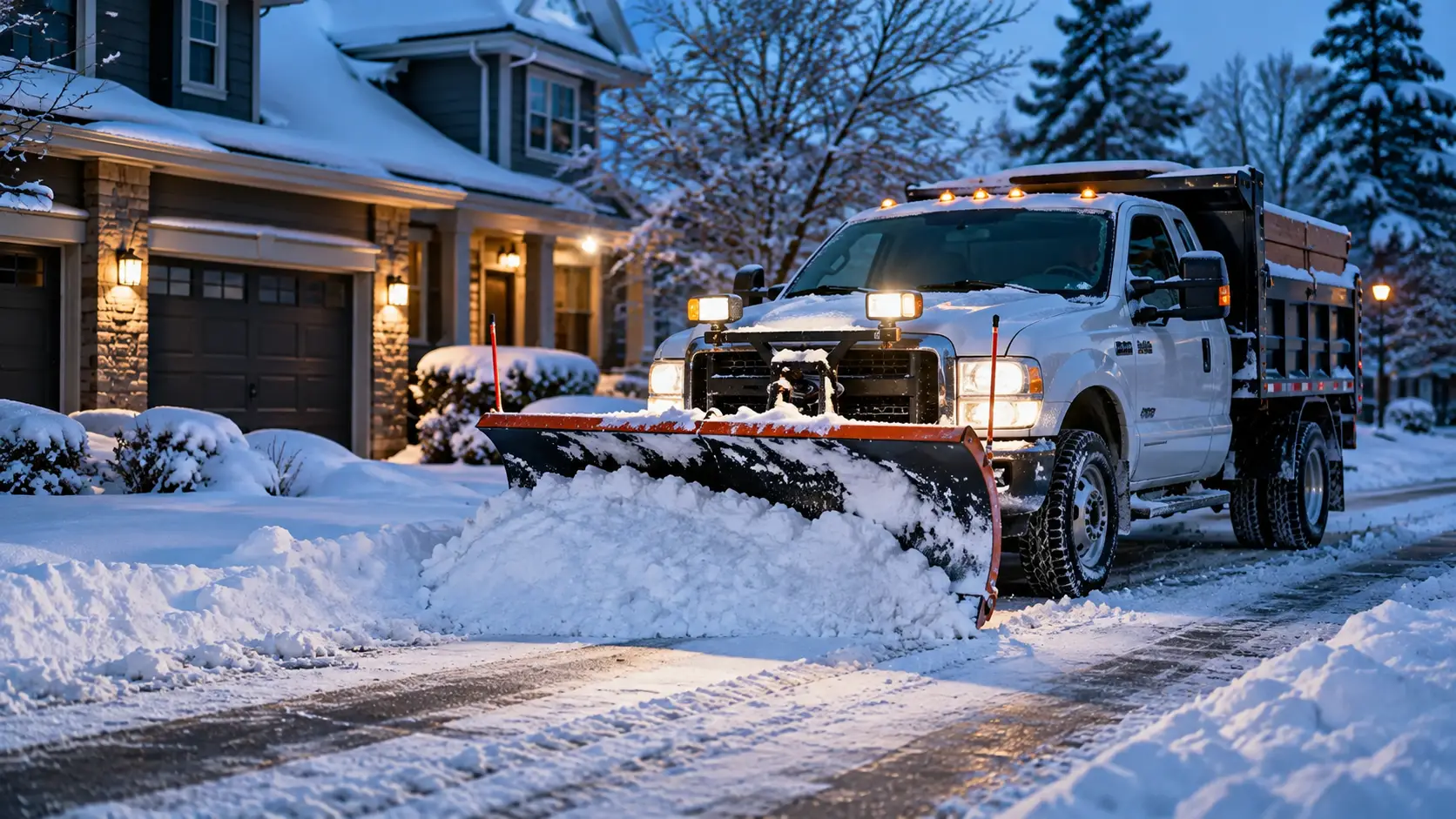
Snow Removal Service Buffalo NY for Safe Winter Properties
Discover how reliable snow and ice management can help keep Buffalo homes, businesses, parking areas, sidewalks, entrances, and shared access routes clear during winter weather. Learn about plowing, salting, de-icing, snow hauling, and seasonal property maintenance.
Continue Reading →Plan Ahead for Buffalo’s Next Snowstorm
Buffalo’s winter weather requires preparation because lake-effect snow can be heavy, localized, and difficult to predict at the property level. With an annual snowfall normal of about 95.4 inches, snow management should be treated as a recurring part of winter property maintenance rather than an occasional task.
A professional buffalo ny snow removal plan gives homeowners and businesses a structured approach to snow events. Instead of waiting for accumulation to become a problem, property owners can establish priorities, prepare snow storage areas, plan access routes, and arrange reliable service in advance.
Prime Landscapers provides landscaping and snow removal services for properties in the Buffalo, NY area. Planning before winter weather arrives can help keep your property more accessible, organized, and manageable throughout the season.
Frequently Asked Questions
How much snow does Buffalo, NY get each year?
Buffalo’s 1991 to 2020 climate normal is approximately 95.4 inches of snow per year. Actual snowfall varies considerably from year to year and can differ significantly across Western New York.
Why does Buffalo get so much lake-effect snow?
Lake-effect snow forms when cold air moves across the relatively warmer waters of Lake Erie, picks up moisture, and produces snow downwind. Wind direction determines where the heaviest snow bands develop.
When does lake-effect snow usually occur in Buffalo?
Lake-effect snow can begin as early as November and often peaks around December. Activity can decrease after Lake Erie becomes substantially ice covered later in winter.
Is Buffalo snowfall the same throughout the city?
No. Lake-effect snow is highly localized. Different areas can receive substantially different amounts depending on wind direction and the location of snow bands.
When should I arrange snow removal service?
It is generally better to arrange service before major winter storms arrive. Pre-season planning gives you time to discuss priorities, access areas, snow storage, and service expectations.
Does professional snow removal include sidewalks?
Many snow removal providers offer sidewalk clearing, but services vary by company and property. Confirm sidewalk, entrance, and other pedestrian-area coverage before signing a service agreement.
What should a commercial snow plan include?
A commercial plan should consider parking lots, sidewalks, entrances, loading areas, accessible parking, emergency access, snow storage, repeat clearing, and ice management.
Why is a snow plan important during lake-effect storms?
Lake-effect snow can accumulate quickly and vary significantly across short distances. A preplanned service strategy helps property owners respond more efficiently when conditions change.