Every spring, we get the same kind of call. A homeowner in Amherst, Orchard Park, or the Southtowns put down new grass a couple of years back, and now parts of it are thin, patchy, or gone. Often the problem isn’t how they cared for it.
The grass just didn’t match the yard. At Prime Landscapers, we’ve walked a lot of Buffalo lawns and seen what holds up through lake-effect snow, soggy springs, and dry August stretches. This guide covers the best grass for Buffalo NY, how each type behaves, and how to match it to your sun, shade, and daily wear.
Why Choosing the Right Grass Matters for Buffalo, NY, Lawns
Grass is a long-term investment, and choosing the right variety is only the first step toward building a healthy, long-lasting lawn. Proper soil preparation, adequate drainage, and professional installation also play an important role in helping new grass establish strong roots and withstand Buffalo’s changing weather conditions.
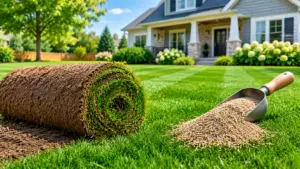
If your existing lawn is thin, patchy, or beyond repair, installing fresh sod can be an effective way to restore your outdoor space. Professional sod installation in Buffalo, NY gives homeowners an opportunity to start with healthy grass selected for their property’s sunlight, soil, and drainage conditions.
Understanding Cool-Season Grass and Buffalo’s Climate
Western New York has a cool, humid climate with cold winters, making cool-season grasses the most suitable choice for most Buffalo lawns. These grasses grow most actively during spring and fall when temperatures are moderate, generally between 60°F and 75°F. During hot summer weather, their growth slows, especially when temperatures rise and rainfall becomes limited. In winter, they enter dormancy as temperatures drop, allowing them to survive the region’s cold conditions.
This seasonal growth pattern plays an important role in lawn care. Spring and early fall are ideal times for grass to recover from seasonal stress, develop stronger roots, and fill in thin or damaged areas. During July and August, cool-season lawns may lose some of their color or experience slower growth, particularly during extended dry spells. With proper watering and cooler temperatures in late summer and fall, healthy grass can recover and resume active growth.
Warm-season grasses such as Bermuda and zoysia are commonly grown in warmer southern climates, but they are generally not suitable for Buffalo’s long, cold winters. For Western New York homeowners, the most practical cool-season grass choices include Kentucky bluegrass, fescue, and perennial ryegrass. Many quality sod blends combine two or more of these grass types to provide a balance of winter hardiness, shade tolerance, and durability.
Choosing the right grass variety involves more than considering its color or texture. Factors such as local climate, sunlight exposure, soil conditions, drought tolerance, and foot traffic all influence how well different grass varieties perform. The Cornell Turfgrass Program’s grass selection guide provides helpful information on comparing turfgrass varieties and selecting suitable options for different lawn conditions.
Best Grass Types for High-Traffic Lawns
If your lawn doubles as a soccer field, dog run, and backyard gathering space, choosing a grass variety that can handle regular foot traffic is important. In Buffalo, NY, perennial ryegrass, tall fescue, and Kentucky bluegrass are practical options for active lawns. Each offers different benefits, from quick establishment to durability and natural recovery.
Perennial ryegrass is particularly useful for high-traffic areas because it establishes quickly and offers good wear tolerance. Tall fescue is another strong option because its deep root system helps it tolerate heat and occasional dry conditions. Kentucky bluegrass is also a popular choice because it spreads through underground rhizomes, allowing it to gradually repair small damaged and worn areas.
For many active family lawns, a blend of Kentucky bluegrass and perennial ryegrass can provide a good balance of durability, quick establishment, and natural recovery. Adding tall fescue may also be beneficial in areas that experience heat stress or receive less frequent watering. The right combination depends on your property’s sunlight, soil conditions, drainage, and how frequently the lawn is used.
Grass selection is only one part of maintaining a durable lawn. Proper mowing also helps protect grass from excessive stress and encourages healthier growth. Most cool-season lawns benefit from a mowing height of around three inches, although the ideal height depends on the grass variety. Avoid removing more than one-third of the grass blade at a time, as cutting too short can weaken the lawn and expose the soil to additional heat and moisture loss. Following a consistent schedule with professional lawn mowing services in Buffalo, NY can help keep your grass neat, healthy, and well-maintained throughout the growing season.
Soil conditions matter just as much as mowing. Buffalo’s clay-heavy soils can become compacted over time, making it harder for water, air, and nutrients to reach grass roots. Core aeration in early fall can help relieve compaction and encourage stronger root development. If your lawn experiences frequent foot traffic, consider aerating regularly and addressing drainage problems before they cause larger bare or damaged areas.
New sod also needs time to establish before it can handle regular activity. Keep children, pets, and heavy foot traffic off newly installed sod for approximately two to three weeks, or longer if the roots have not properly attached to the soil underneath. Once the grass is firmly rooted, gradually return to normal lawn use. A simple tug on a corner of the sod can help you check whether the roots have established successfully.
Kentucky Bluegrass: Benefits and Why It’s Popular in Buffalo
Kentucky bluegrass is the grass most people picture when they imagine a classic northern lawn. It has a rich color, a soft feel underfoot, and it handles our cold winters well. It’s a big reason Kentucky bluegrass sod is so common in this region.
The real advantage is how it spreads. Bluegrass grows underground stems called rhizomes, so it can fill in small bare spots on its own over time. A dog spot or a worn patch doesn’t always need reseeding. The grass slowly creeps in and closes the gap, as long as it’s healthy.
It does have limits. Bluegrass wants a good amount of direct sun, generally six hours or more a day, and it gets thin in deep shade. It also likes regular water in summer and benefits from fertilizer. From seed, it’s slow, often taking a few weeks just to sprout. That’s one reason Kentucky bluegrass sod is popular. You skip the waiting and get a finished lawn on day one.
Fescue Grass: An Ideal Choice for Shady Lawns
Fescue includes several cool-season grass varieties, with fine fescues and tall fescue being two popular choices for residential lawns. Fine fescues, including creeping red fescue and Chewings fescue, are among the most shade-tolerant cool-season grasses. Tall fescue, on the other hand, has broader blades, develops a deep root system, and offers good tolerance to heat and dry conditions.
If you’re looking for grass for shade, fine fescue is often a good place to start. Many older Buffalo neighborhoods have mature maple, oak, and spruce trees that create shaded areas throughout the day. Kentucky bluegrass typically struggles in these conditions, while fine fescue can maintain healthier growth with less direct sunlight. It also generally requires less fertilizer than Kentucky bluegrass, making it a practical option for lower-maintenance lawns.
However, no grass variety thrives in complete darkness. Fine fescues generally perform best in partial shade or areas receiving filtered sunlight. Under dense evergreen trees or near covered decks, even shade-tolerant grass may struggle because of limited light, root competition, and poor growing conditions. In these areas, selective tree pruning, mulch, or shade-friendly groundcovers may be more practical alternatives to traditional grass.
One important consideration is that tall fescue grows primarily in bunches rather than spreading through underground rhizomes. This means damaged or bare areas may take longer to fill in naturally compared with Kentucky bluegrass. If your lawn experiences heavy foot traffic from children or pets, consider this difference when selecting a grass variety.
Large trees can make maintaining a healthy lawn challenging by limiting sunlight and competing with grass for water and nutrients. In some situations, selective pruning can improve light penetration and create better growing conditions for shade-tolerant grass varieties. Professional tree services in Buffalo, NY can help manage overgrown branches and maintain healthier outdoor spaces.
Perennial Ryegrass: A Fast-Growing Option for Buffalo Lawns
Perennial ryegrass is the sprinter of the group. Seed can sprout in as little as five to ten days, which makes it useful for quick cover, patch repairs, and erosion control. It has a fine texture and a glossy, dark-green look.
It’s also tough under foot traffic, and that’s where it earns its spot in many blends. The blades are durable, and the grass recovers fairly quickly after wear. For families with active kids, it’s a helpful partner.
The tradeoff is winter hardiness. Perennial ryegrass handles cold less reliably than Kentucky bluegrass, and in a harsh Buffalo winter with long ice cover, it can suffer winter injury. For that reason, we rarely recommend it as a lawn on its own here. As part of a blend, with bluegrass doing the long-term work, it makes more sense. Think of it as support rather than the star.
Kentucky Bluegrass vs. Fescue vs. Ryegrass: Which Is Best?
There’s no single winner. It depends on what your yard asks of the grass.
Bluegrass wins on looks, winter hardiness, and self-repair. It’s a strong pick for sunny, open lawns where you want that thick, uniform surface. The downsides are slower establishment from seed, a need for more water and feeding, and a weaker showing in shade.
Fescue wins on shade tolerance, drought resistance, and lower maintenance. A fescue lawn is forgiving when you travel in July or skip a watering. It may not look quite as lush as a pure bluegrass lawn, and it can be slower to repair damage.
Ryegrass wins on speed and wear tolerance. It’s great for quick establishment, but it’s the least dependable through our coldest winters when used alone.
So when someone asks for the best grass for Buffalo NY, our honest answer is usually a blend, built around the sun and shade in their specific yard. Pure single-species lawns are less common among the properties we see doing well over time. Mixing grasses spreads the risk. If one struggles in a given year, the others keep the lawn looking full.
Choosing the Right Grass for Sun and Shade Conditions
Before you pick anything, spend a day watching your yard. Check the lawn in the morning, at noon, and late afternoon. Note which areas get direct sun, which get dappled light, and which stay dark. Do it again in summer when trees are fully leafed out, since spring light can be misleading.
Full-sun areas, with six or more hours of direct light, suit Kentucky bluegrass and bluegrass-heavy blends. Tall fescue also works well in sunny spots if you want better drought tolerance. If a lawn bakes on a south-facing slope, that deep-rooted tall fescue earns its keep.
Partial shade, say four to six hours of sun, does well with a mix that includes both bluegrass and fine fescue. The fescue holds the shadier patches while the bluegrass fills the brighter ones.
For heavy shade, look for grass for shade built mostly from fine fescues, and set honest expectations. Even shade-tolerant types thin out under dense canopy. Soil matters too. A simple soil test through Cornell Cooperative Extension of Erie County is inexpensive and tells you your pH and nutrient levels. Many lawn problems start underground, and sod laid on poor or compacted soil struggles no matter which grass it is.
Drainage deserves a look as well. Soggy spots in spring often point to compacted clay, and that’s worth fixing before any sod installation, not after.
Best Grass Types for High-Traffic Lawns
If your lawn doubles as a soccer field, dog run, and backyard cookout space, durability should drive the decision. The grasses that handle wear best are perennial ryegrass and tall fescue, and Kentucky bluegrass holds its own because it can repair itself.
In practice, a blend of bluegrass and ryegrass is a common, practical answer for active family lawns. Ryegrass takes the early wear and establishes fast, while bluegrass spreads to fill damage over time. Blends that include tall fescue add toughness and drought resistance for areas that get heavy use and little pampering.
Maintenance matters as much as grass choice. Mow at a taller height, around three inches for most cool-season lawns. Taller grass shades the soil, builds deeper roots, and tolerates wear better. Don’t cut off more than about a third of the blade at once. Aerating in early fall also helps a lot in Buffalo’s clay soils, since compacted ground is hard on roots.
New sod needs patience. Keep people and pets off for roughly two to three weeks, until the roots knit into the soil underneath. Tugging on a corner is a quick check. If it lifts easily, it needs more time.
Why Grass Blends Are a Smart Choice for Buffalo Homeowners
A blend combines different grasses so the lawn can handle more than one condition. Buffalo yards rarely have just one. You might have full sun in front, shade in back, and a worn path where the dog patrols the fence. One grass won’t cover all of that equally well.
A blend also gives the lawn some insurance. Disease, drought, or a rough winter might hit one grass harder than another. When the lawn is mixed, a weak spot in one species gets covered by the others. That’s a big reason mixed lawns tend to look more consistent from year to year.
When you’re comparing options for sod installation, ask what’s actually in the sod. Good growers can tell you the grass varieties and the percentages. A sunny-lawn blend, for example, might lean heavily on bluegrass, while a shade blend leans on fine fescue.
Timing matters, too. Sod is typically laid in spring and early fall, when roots establish easily and watering is more manageable. You can lay it in summer, but it needs closer watering, and you can lay it through late fall as long as the ground isn’t frozen.
Prime Landscapers handles sod installation across the Buffalo area, and we always start with the yard’s conditions before recommending a grass, because the same sod won’t suit every property. If you’d like to see how that process works, our sod installation page walks through it step by step.
Frequently Asked Questions
What is the best grass for Buffalo NY lawns?
Kentucky bluegrass is the most common base for sunny lawns because it handles cold winters and repairs itself. Most yards do best with a blend that adds fescue for shade or ryegrass for wear. The right mix depends on your sun and traffic.
Is Kentucky bluegrass sod a good choice for Buffalo?
Yes, for sunny areas. It tolerates our winters, spreads through rhizomes, and fills small damaged spots over time. It needs regular watering in summer and struggles in heavy shade, so check your sunlight before choosing it.
What grass grows best in shade in Buffalo?
Fine fescues are generally the best option for shade here. They manage with about four hours of sun or bright, filtered light. Under dense evergreens or in near-total darkness, even fescue thins out, so you may need pruning or groundcover.
Is perennial ryegrass okay to use alone?
We usually don’t recommend it alone in Buffalo. It sprouts fast and handles foot traffic well, but it’s less reliable through harsh winters. Mixed with Kentucky bluegrass or fescue, it adds quick cover and wear resistance without carrying the whole lawn.
When is the best time to install sod in Buffalo?
Spring and early fall are ideal. Cooler air and regular rain help roots establish without constant watering. Sod can go down in summer with extra watering, or later in fall until the ground freezes. Avoid laying it on frozen soil.
How long should I stay off new sod?
Plan on two to three weeks. Roots need that time to grab the soil underneath. Water it often at first so it stays moist, then ease off as it roots in. If a corner lifts easily, give it more time.
Do I need a soil test before installing sod?
It’s worth it. A soil test shows pH and nutrient levels, so you can fix problems before the sod goes down. Cornell Cooperative Extension of Erie County offers testing guidance. Good soil prep often decides how well the new lawn lasts.