Preparing your landscape for winter involves more than clearing fallen leaves, trimming plants, and putting away outdoor furniture. If your property has an underground sprinkler system, winter preparation should also include protecting its pipes, valves, sprinkler heads, and other components from freezing temperatures. Professional sprinkler winterization in Buffalo is an important part of seasonal landscape maintenance because Western New York winters can expose irrigation systems to prolonged freezing conditions.
Water left inside irrigation lines can freeze and expand, creating pressure that may crack pipes, damage sprinkler heads, and affect valves or backflow prevention devices. These problems might not become noticeable until spring, when you turn the system back on and discover leaks, uneven watering, or expensive repairs.
A proper irrigation blowout removes water from vulnerable sections of the system before temperatures drop. For homeowners and commercial property managers, understanding why winterization matters and how the process works can help prevent unnecessary damage.
Prime Landscapers provides professional landscaping and seasonal property maintenance services in Buffalo, NY. This guide explains when to winterize your sprinkler system, how an irrigation blowout works, and why professional preparation can help protect your investment.
Why Sprinkler Winterization Is Important in Buffalo, NY
Buffalo experiences cold winters, freezing temperatures, snow, and changing weather conditions. While an underground irrigation system may be designed to operate outdoors, its pipes and components are not automatically protected from freezing water.
When water freezes, it expands. If water remains trapped inside a sprinkler line, the resulting pressure can damage the system. Even a small crack can lead to significant water loss once the irrigation system is activated again.
Here are the main reasons to schedule sprinkler winterization before winter arrives.
1. Prevents Frozen Pipes and Expensive Repairs
Frozen pipe prevention is one of the most important reasons to winterize an irrigation system. Water trapped in underground pipes, fittings, valves, and sprinkler heads can freeze during extended cold periods.
The expansion may cause:
- Cracked irrigation pipes
- Damaged sprinkler heads
- Broken fittings and connectors
- Split valve assemblies
- Backflow prevention device damage
- Underground leaks that are difficult to locate
These problems can require excavation, replacement components, and additional labor. A professional irrigation blowout helps remove water from vulnerable lines before freezing weather creates problems.
2. Protects Sprinkler Heads and Valves
Sprinkler heads and valves are exposed to different environmental conditions. Some components sit close to the ground, while others connect to underground water lines or remain in valve boxes.
If water remains inside these components, freezing can damage internal parts and connections. Proper winterization helps reduce the risk of cracked housings, damaged seals, and malfunctioning valves.
Protecting these components can make spring system startup easier and reduce the likelihood of unexpected repair work.
3. Helps Avoid Springtime Irrigation Problems
A sprinkler system that was not properly winterized may appear normal throughout the winter. However, damage often becomes visible when the system is pressurized again in spring.
Common warning signs include:
- Water pooling around sprinkler heads
- Low water pressure
- Sprinkler zones failing to operate
- Unusual water consumption
- Uneven lawn watering
- Leaks around valve boxes
Scheduling winterization before freezing temperatures arrive helps reduce the chance of discovering these issues when your lawn needs its first seasonal watering.
4. Protects Your Landscaping Investment
An irrigation system supports healthy lawns, landscape beds, trees, and shrubs by delivering water where it is needed. When the system becomes damaged, plants may not receive consistent irrigation during the growing season.
Winter maintenance protects the equipment that supports your overall landscape. It is also an important part of a broader irrigation and drainage maintenance plan for residential and commercial properties.
What Is an Irrigation Blowout?
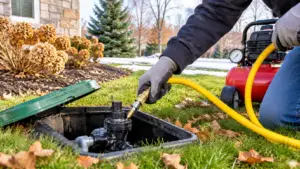
An irrigation blowout is a winterization method that uses compressed air to remove water from sprinkler system lines and components.
During the process, a trained technician connects suitable air equipment to the irrigation system and uses controlled air pressure to push remaining water through the sprinkler zones. The water exits through the sprinkler heads, helping clear the lines before freezing weather begins.
The purpose is to reduce the amount of water remaining inside the system, especially in areas where freezing could cause damage.
An irrigation blowout typically involves several steps:
- Turning off the irrigation water supply.
- Identifying the system’s appropriate air connection.
- Connecting professional compressed-air equipment.
- Operating the sprinkler zones in a controlled sequence.
- Clearing water from the lines and sprinkler heads.
- Checking relevant components and preparing the system for winter.
The correct procedure depends on the irrigation system’s design, pipe materials, components, and manufacturer recommendations.
How to Blow Out Sprinkler Lines Before Winter
Understanding the irrigation blowout process helps property owners know what professional winterization involves. However, compressed-air winterization requires appropriate equipment and pressure control. Incorrect techniques can damage irrigation components.
The following steps explain the general process.
Step 1: Shut Off the Main Irrigation Water Supply
The first step is to stop the flow of water into the sprinkler system. Locate the dedicated irrigation shutoff valve and turn off the supply according to the system’s instructions.
Some properties have separate shutoff arrangements for irrigation and domestic water. Knowing which valve controls the sprinkler system helps prevent accidental disruption to other plumbing.
Step 2: Locate the Air Connection
Most systems designed for blowout winterization have a designated connection point where compressed air can be introduced.
This connection may be near the backflow assembly, irrigation manifold, or another location specified by the system design.
Never connect an air compressor to an unsuitable fitting or assume every irrigation system uses the same connection method. The system manufacturer or a qualified irrigation professional can identify the correct access point.
Step 3: Use Properly Regulated Compressed Air
Compressed air must be controlled carefully. Excessive pressure can damage sprinkler heads, fittings, valves, drip irrigation components, and other sensitive equipment.
The appropriate pressure and airflow depend on the pipe material, system layout, and manufacturer specifications. A professional technician selects suitable equipment and adjusts the process to protect the irrigation system.
Using a household air compressor without understanding the system’s requirements can create unnecessary risks.
Step 4: Clear Each Irrigation Zone
Sprinkler systems usually operate through separate zones. During an irrigation blowout, each zone is cleared individually so that water can exit through the connected sprinkler heads.
A technician monitors the process and avoids operating equipment beyond the system’s safe limits.
Some zones may contain different sprinkler types or specialized components. Drip irrigation lines, low-pressure equipment, and certain accessories may require separate winterization procedures rather than a standard blowout.
Step 5: Prepare the Controller and Other Components
After clearing the irrigation lines, the system controller should be prepared for winter according to the manufacturer’s recommendations.
Depending on the controller, this may involve switching to an off or rain mode, disabling automatic watering schedules, or adjusting seasonal settings.
Smart irrigation systems may also include Wi-Fi connectivity, weather-based scheduling, and remote control features. These functions should be configured appropriately so that the system does not activate unexpectedly during winter.
Step 6: Inspect the System Before Winter
A final inspection can identify visible issues that may need attention before spring.
A technician may check the following:
- Sprinkler heads and exposed fittings
- Valve boxes and accessible connections
- Backflow prevention equipment
- Irrigation controller settings
- Visible leaks or damaged components
- Areas where water may remain trapped
This inspection helps property owners understand the condition of their irrigation system before the next growing season.
When Should You Winterize Your Sprinkler System in Buffalo?
Timing is essential when preparing an irrigation system for winter. Waiting until the first severe freeze can increase the risk of damage, especially if temperatures drop unexpectedly.
In Buffalo and surrounding Western New York communities, many property owners schedule sprinkler winterization during fall, before consistent freezing conditions arrive.
The ideal timing depends on the seasonal forecast, property conditions, irrigation system design, and local temperatures.
Consider scheduling winterization when:
- Nighttime temperatures begin approaching freezing.
- Regular irrigation is no longer necessary.
- Lawn growth and watering requirements decrease.
- Fall landscaping maintenance is underway.
- Extended cold weather is expected.
Do not wait for a major snowstorm or frozen ground. Booking early can also make it easier to arrange professional service before seasonal demand increases.
DIY Sprinkler Winterization vs. Professional Irrigation Blowout
Some property owners consider winterizing their sprinkler systems themselves. Although the process may appear straightforward, it involves more than connecting an air compressor and opening sprinkler zones.
The wrong pressure, incorrect connection, or improper operating sequence can damage equipment.
| DIY Winterization | Professional Winterization |
| Requires suitable tools and equipment | Uses professional compressed-air equipment |
| Requires knowledge of system layout | Includes system-specific preparation |
| Incorrect pressure may cause damage | Pressure is regulated according to system requirements |
| Some components may be overlooked | Includes attention to vulnerable components |
| Problems may go unnoticed | Allows an experienced technician to identify visible concerns |
Professional winterization is especially valuable for large properties, commercial landscapes, multi-zone systems, and irrigation installations with specialized equipment.
For homeowners unfamiliar with irrigation systems, hiring an experienced landscaping professional can help reduce the risk of costly mistakes.
Common Sprinkler Winterization Mistakes to Avoid
Even when property owners understand the importance of winterization, certain mistakes can leave an irrigation system vulnerable.
Waiting Until Temperatures Drop Below Freezing
Late winterization can expose water-filled pipes and components to freezing conditions. Schedule service before sustained cold weather arrives.
Using Excessive Air Pressure
More pressure does not mean better winterization. Excessive pressure can damage sprinkler heads, valves, pipes, and fittings. Always follow equipment and manufacturer specifications.
Forgetting Certain Irrigation Zones
A property may have multiple zones serving different lawn areas, planting beds, or landscape features. Missing a zone can leave water inside its lines.
Ignoring Drip Irrigation Components
Drip irrigation systems may contain tubing, filters, pressure regulators, and emitters that require special preparation. A standard sprinkler blowout may not be appropriate for every component.
Overlooking the Backflow Prevention Device
Backflow prevention equipment is an important part of many irrigation systems. It may require specific winterization steps to reduce the risk of freezing damage.
Assuming the System Is Completely Empty
A blowout helps remove water, but the amount of water that can be removed depends on the system’s design. Some components may require additional manufacturer-recommended procedures.
Smart Irrigation and Winter Maintenance
Smart irrigation technology helps property owners manage watering schedules more efficiently. Weather-based controllers, soil moisture sensors, and mobile applications can adjust watering based on environmental conditions.
However, smart irrigation features do not automatically protect pipes and sprinkler components from freezing.
Before winter, smart irrigation systems should be configured according to their manufacturer’s instructions. Automatic watering schedules should be disabled or adjusted, and connected equipment should be prepared for seasonal conditions.
Property owners should also understand which components need to remain powered and which should be switched off. This varies by controller and installation.
Combining smart irrigation management with professional winterization can help protect the system while supporting more efficient watering during the growing season.
How Sprinkler Winterization Supports Your Overall Landscape
A healthy landscape depends on more than regular watering. Seasonal maintenance, drainage management, lawn care, and proper irrigation all contribute to long-term property health.
An irrigation system that is damaged during winter may create problems beyond the equipment itself. Leaks can contribute to unnecessary water use, while malfunctioning sprinkler heads can lead to uneven watering once the system is restarted.
A complete landscape maintenance approach should consider:
- Irrigation system preparation before winter
- Proper drainage around lawns and planting beds
- Fall cleanup and removal of landscape debris
- Lawn preparation for colder weather
- Spring inspection and irrigation startup
- Seasonal adjustments to watering schedules
For Buffalo property owners, coordinating these tasks can make landscape maintenance more manageable throughout the year.

Retaining Walls in Buffalo NY: Benefits, Materials and When Needed
Retaining walls are an important feature of many residential and commercial landscapes, especially when a property has sloped ground, uneven terrain, or soil that shifts during heavy rainfall. In Buffalo, NY, changing weather conditions, snowmelt, and seasonal precipitation can create challenges for properties with elevation changes. A properly designed retaining wall can help manage these conditions while improving the appearance and functionality of an outdoor space. Learn about the benefits, available materials, installation requirements, and drainage considerations to help determine the right solution for your property.
Continue Reading →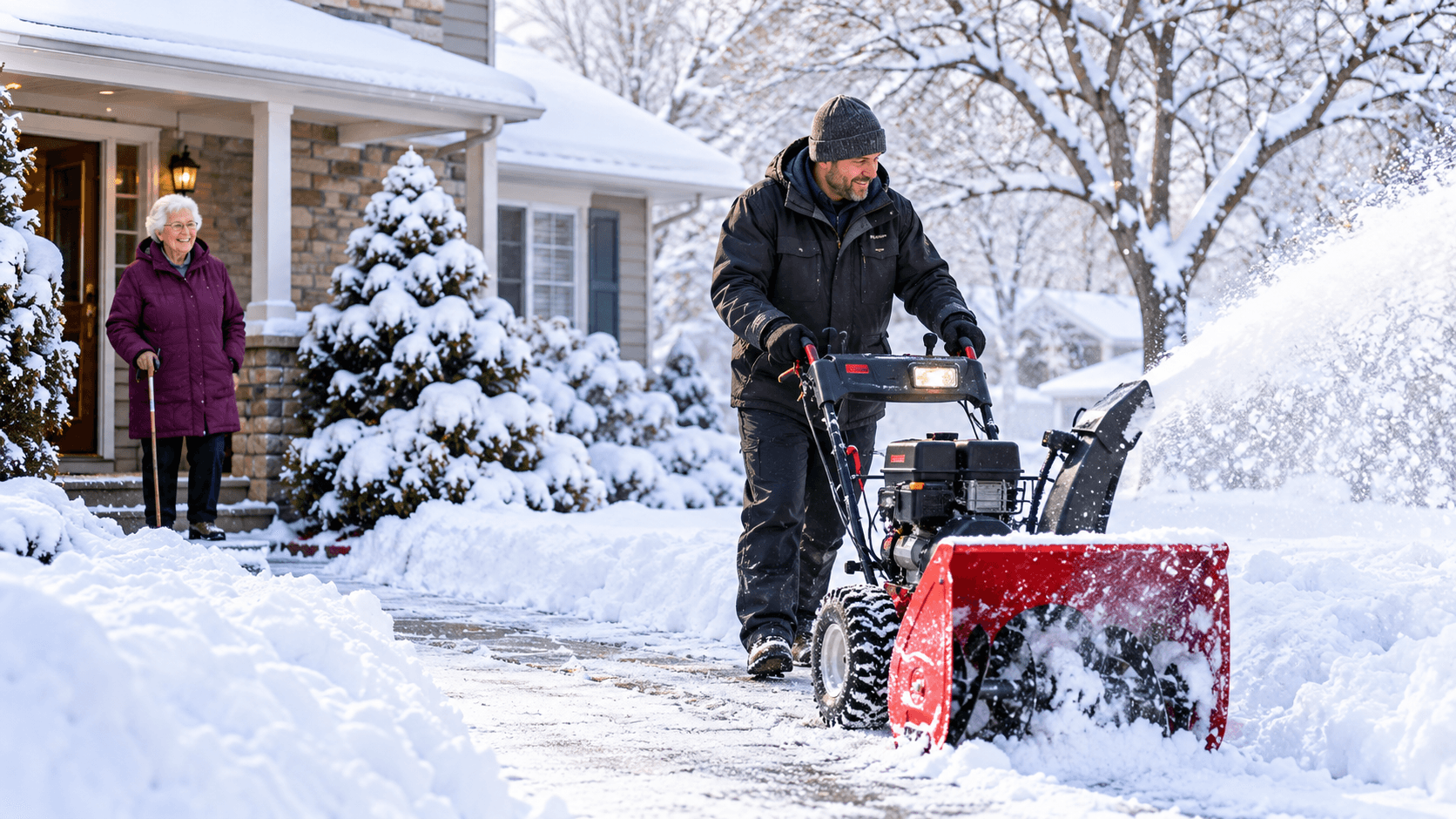
Snow Removal for Seniors and Busy Homeowners in Buffalo NY
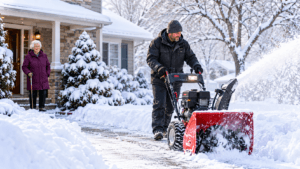
Winter in Buffalo, NY, can bring heavy snowfall, icy driveways, slippery sidewalks, and challenging conditions that make everyday activities more difficult. For older adults, people with limited mobility, and homeowners with demanding schedules, keeping outdoor areas clear can become a major responsibility. Professional snow removal offers a practical way to manage these winter challenges by helping maintain accessible driveways, walkways, and entrances. A consistent residential snow removal plan can help seniors, busy professionals, and families prepare for changing weather conditions throughout the season.
Continue Reading →Schedule Sprinkler Winterization in Buffalo, NY with Prime Landscapers
Preparing your irrigation system before winter is a practical way to protect your property from avoidable damage. An irrigation blowout helps remove water from vulnerable sprinkler lines, while a professional inspection can identify components that may need additional attention.
Prime Landscapers serves property owners in Buffalo, NY, with landscaping services designed to support attractive, functional outdoor spaces. Whether you maintain a residential lawn or manage a larger commercial property, seasonal preparation is an important part of protecting your landscape investment.
If you need help preparing your property for colder weather, contact Prime Landscapers to discuss your landscaping and seasonal maintenance needs. Schedule winter preparation before freezing temperatures arrive so your irrigation system is better prepared for the months ahead.
Frequently Asked Questions
What Is Sprinkler Winterization?
Sprinkler winterization is the process of preparing an irrigation system for freezing weather. It typically involves shutting off the water supply, removing water from vulnerable lines, preparing system components, and adjusting the controller for winter.
Why Is Sprinkler Winterization Important in Buffalo?
Buffalo experiences freezing winter temperatures that can cause water inside irrigation pipes and components to expand. This expansion can crack pipes, damage sprinkler heads, and create leaks. Winterization helps reduce these risks.
What Is an Irrigation Blowout?
An irrigation blowout uses regulated compressed air to push remaining water out of sprinkler lines and heads. It is a common winterization method for systems designed to be cleared with compressed air.
When Should I Winterize My Sprinkler System in Buffalo, NY?
Schedule winterization during fall, before consistent freezing temperatures arrive. The exact timing depends on local weather conditions, system design, and when regular lawn watering is no longer needed.
Can I Winterize My Sprinkler System Myself?
Some property owners attempt DIY winterization, but compressed-air procedures require appropriate equipment and pressure control. Incorrect techniques can damage pipes, valves, and sprinkler heads. Professional assistance is recommended when you are unfamiliar with the system.
Can Frozen Water Damage Sprinkler Heads?
Yes. Water trapped inside sprinkler heads and connected components can freeze and expand, potentially cracking housings or damaging internal parts. Proper winterization helps reduce the chance of this damage.
Does Smart Irrigation Technology Prevent Frozen Pipes?
No. Smart irrigation controllers can improve watering efficiency, but they do not automatically remove water from irrigation lines. The system still needs appropriate winterization to reduce freezing risks.
Do I Need to Winterize My Irrigation System Every Year?
Yes. Irrigation systems should generally be prepared for winter every year in regions with freezing temperatures. Annual winterization helps protect components and reduces the risk of seasonal damage.