Mulch does more than just tidy up your yard. It protects plants, keeps soil healthy, and helps garden beds thrive. Still, one thing trips a lot of people up: how much mulch do I need? Too little and you end up with bare patches; too much, and you waste money or even harm your plants.
If you live in Buffalo, figuring this out matters even more, since mulch shields your soil and plant roots from our wild temperature swings. Luckily, it’s not a tough problem once you know your garden’s size and how thick you want that mulch layer.
Here’s a simple walk-through on measuring your beds, finding the right mulch depth, doing the math for bags or cubic yards of mulch, and making sure you’re set up for a healthy landscape.
Measuring Your Beds
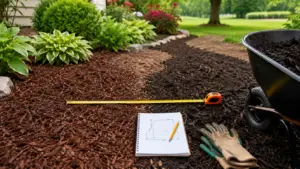
First, you’ll need those measurements. Grab a tape measure and jot down the length and width of every garden bed you want to cover.
Got a 10-foot by 6-foot bed? You’re looking at 60 square feet.
If your bed is oddly shaped, break it up into smaller rectangles or squares. Do the math on each and add them up. If you’re dealing with circles, use the standard area formula, or just ask a landscaper if you’re stumped.
With your total square footage in hand, you can figure out volume based on the depth of mulch you want. Get this part right. Small errors throw off your results.
How Deep Should Mulch Be?
Now for depth. Usually, you want mulch 2 to 3 inches thick for most yards. That thickness keeps moisture in, blocks weeds, and protects your soil without suffocating your plants.
If you’re just topping up, 2 inches can be enough. Going over bare ground? Aim for 3 inches.
Don’t get tempted to dump on a super thick layer. It doesn’t do extra good. In fact, too much mulch traps too much moisture, suffocates roots, and invites disease or pests. Stick to 2 to 3 inches, and you’re on safer ground.
Doing the Math: Cubic Yards
Most landscapers sell mulch by the cubic yard. Here’s how to figure out how much you need:
1. Multiply your bed’s length by its width, then by the depth you want (in feet).
2. Divide by 27 (because one cubic yard = 27 cubic feet).
Mulch Calculators: An Easier Way
Not a fan of math? There are plenty of mulch calculator tools online. You just plug in your measurements and your chosen depth, and they spit out the amount you’ll need.
Even if you use a calculator, double-check your measurements. Especially with odd-shaped or sloped beds, rough numbers can lead to over- or under-ordering.
A good landscaping company can measure and provide a reliable estimate, too, especially before mulch delivery and installation.
Bags versus Bulk
People often wonder: should I buy bags, or just get mulch delivered in bulk by the cubic yard?
Bags are handy for small jobs. You only need a few; they’re easy to carry, and you can toss them in the car. But covering a big area? The costs and hassle pile up fast.
Going bulk is usually better for large projects. One cubic yard is a lot of mulch. It cuts down on trips, handling, and often saves money. For a big yard, delivery gets the job done quicker and easier.
Your call depends on your garden’s size, your budget, and whether you want to do the hauling and spreading yourself or bring in help.
Don’t Overdo It
Accurate measurements aren’t just about saving cash. They help your plants, too.
Over-mulching is a common mistake. Sure, it looks neat at first, but thick layers lock in too much moisture. That can rot roots, encourage mould, and even kill trees if you pile it against their trunks.
Keep a little breathing room around trunks and stems. Spread mulch to cover the ground while letting plants soak up air, water, and nutrients.
Timing Your Mulch Delivery
Plan ahead, especially if you’re eyeing the peak spring rush. Most folks refresh mulch for a cleaner look or after the old layer breaks down.
Measure out your beds and pick your depth before you schedule delivery. This way, your landscaper can quote the right amount and book you in at a good time.
If your mulch is still looking good, you don’t always need to replace it. Sometimes just a fresh layer on top does the trick. A professional can let you know what you really need.
Getting It Right
So, how much mulch do I need? It’s all about the bed sizes and your chosen depth.
For most yards, 2 to 3 inches does the trick. Measure up each bed, total your square footage, pick your depth, and calculate the cubic yards of mulch or bags needed.
“`html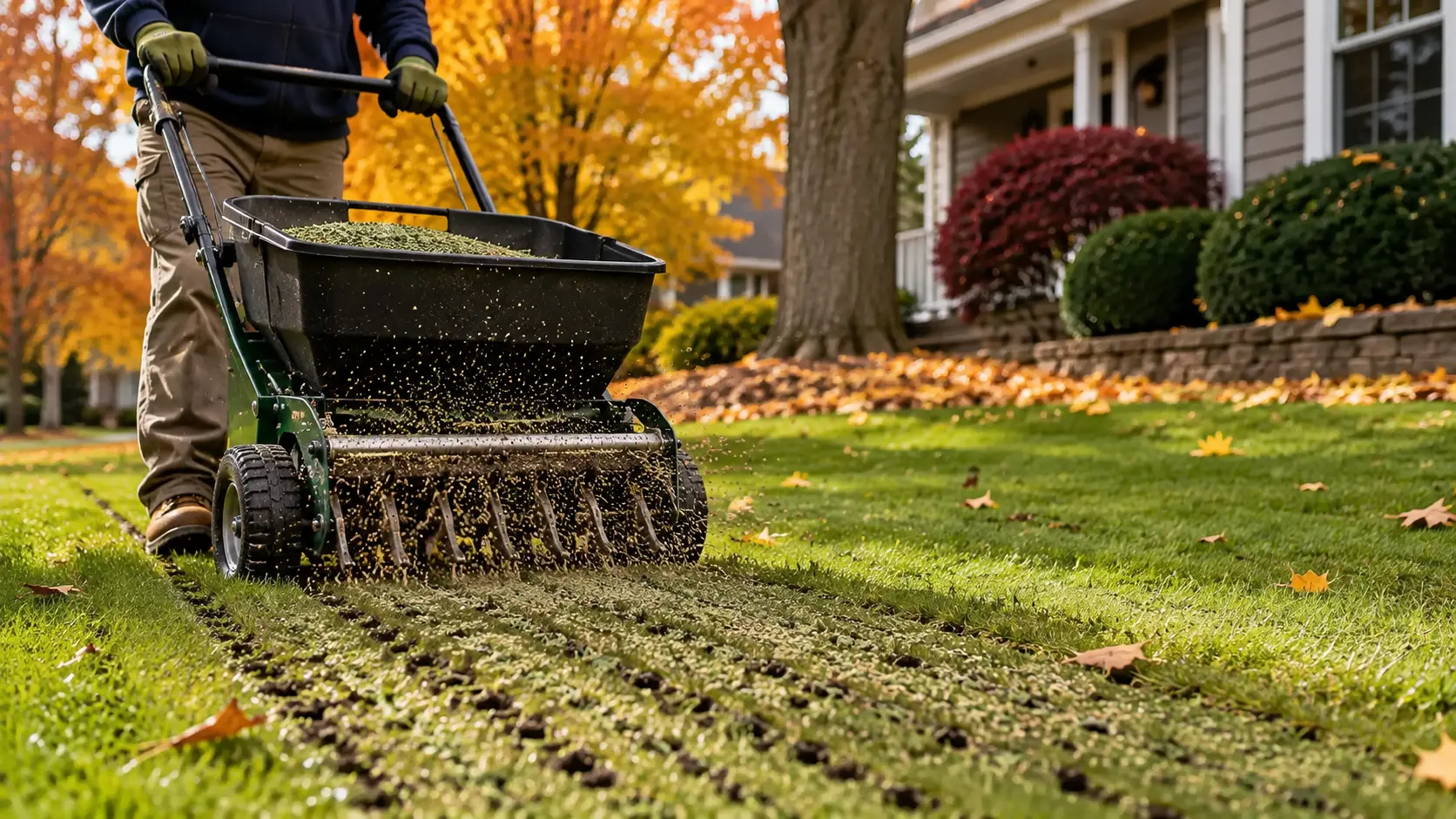
Fall Lawn Aeration & Overseeding in Buffalo, NY
Learn how fall aeration and overseeding can help Buffalo lawns recover from summer stress and prepare for winter. Explore the benefits of relieving soil compaction, improving seed-to-soil contact, encouraging thicker grass growth, and choosing the right timing for Western New York lawns.
Continue Reading →
Buffalo Landscaping Maintenance Checklist by Month
Keep your Buffalo landscape healthy throughout the year with a practical month-by-month maintenance guide. Learn when to focus on lawn care, pruning, planting, cleanup, mulch, seasonal preparation, and other essential landscaping tasks for Western New York properties.
Continue Reading →If the math stresses you out, go ahead and bring in a pro to handle measuring, ordering, and mulch installation.
Getting the quantity right means your yard looks even, clean, and healthy without wasting money or drowning your plants. Prep a little, and your mulch job will be smoother and look even better.
Frequently Asked Questions
How much mulch do I need for a small garden bed?
Start by measuring the area and pick your depth. 2 or 3 inches is usual. Do the math for volume based on those numbers.
What’s the ideal mulch depth?
For most beds, stick to 2 to 3 inches. Don’t lay it on too thick.
Is bulk mulch cheaper than bags?
For big projects, bulk is often less work and less expensive than a pile of bags. But the best choice comes down to your yard’s size and delivery costs.
Can I use a mulch calculator?
Absolutely. Plug your numbers into an online mulch calculator for a quick answer.
When should I book mulch delivery and installation?
Plan ahead, especially in spring when everyone’s gardening. Measuring your beds early helps everything run more smoothly. For professional mulch delivery and installation, planning ahead can also help you secure a convenient service date.