Trees do a lot for your yard; they add shade, make things look better, and bump up your property’s value. They even help you breathe a little easier. But honestly, not every tree lives forever. Sometimes a tree gets sick or starts to die, turning from an asset into a safety risk. If you know what to look for, you can catch a problem before it gets out of hand, and before you end up with property damage or someone getting hurt.
Buffalo winters can be harsh. Heavy snow, strong winds, and wild storms take a toll on trees, sometimes in ways you can’t even see at first. Even a decent-looking tree can be hiding big issues, so it pays to keep an eye out. If anything seems off, don’t just hope it’ll get better. Act before a tree turns hazardous.
Here are seven warning signs that it’s time to seriously consider taking down a tree in your Buffalo yard.
Dead or Hanging Branches
Dead or hanging branches are usually the first signs a tree needs to be removed. These limbs are dry, brittle, and haven’t seen a green leaf in ages, not even during summer. Hanging branches are just waiting to fall, especially when a storm rolls through.
It’s not just about the tree. If one of these branches breaks loose, it could land on your home, your car, or even someone walking by. You can sometimes remove small dead limbs, but if there are large dead branches everywhere, or most of the top is dead, the tree’s health is bad. At that point, it’s smarter to choose dead tree removal before it comes down on its own.
Leaning Trunk and Heaving Roots
A tree that leans a little because it’s always been that way isn’t usually a problem. But if it suddenly starts leaning more, you need to pay attention. That usually means the roots underneath are losing their grip.
You might even see the ground bulging or lifting around the base. That’s root heaving, and it’s bad news. With Buffalo’s tough winters and wild storms, a tree with a lean and loose root system creates a serious leaning tree danger.
Trunk Cavities and Rot
The trunk is the backbone of any tree. Once it starts to rot or develop big holes, the whole tree gets weaker. Small holes aren’t always a problem, but deep cavities and visible rot usually mean the tree isn’t stable anymore.
Soft wood, mushrooms growing at the base, peeling bark, or deep cracks are all signs of internal decay. A trunk that’s falling apart can easily lead to the tree splitting or collapsing. It’s safer to remove a hazardous tree with serious trunk damage.
Storm-Damaged Limbs
Buffalo weather can get rough. Snow, ice, and strong winds hit hard, and storm damage is common. After every big storm, take a look at your trees.
Broken branches, split trunks, or limbs that look like they’re about to drop shouldn’t be ignored. Even if the damage seems small, cracks can spread over time. Sometimes careful pruning is enough, but if the tree is unstable or heavily damaged, you may need emergency tree removal.
Proximity to Your Home or Power Lines
Where a tree grows matters just as much as how healthy it looks. Trees too close to your house, garage, driveway, or power lines are risky.
Big branches rubbing on the roof can damage shingles or gutters. Falling limbs might smash windows or your car. Trees growing into power lines can lead to outages and dangerous situations.
Sometimes even healthy trees need to come down because they’re simply in the wrong place. If it’s growing toward your home or utility lines, a professional tree removal service is often the safest long-term solution.
Large Cracks in the Trunk or Major Branches
If you spot deep cracks in the trunk or main branches, take them seriously. These cracks usually develop after storms, disease, age, or internal decay.
Deep cracks weaken the entire tree, and branches can break off with little warning, especially during heavy snow or strong winds. If a crack runs through the trunk, have a professional inspect it as soon as possible because it may become a hazardous tree.
The Tree Shows Multiple Signs of Decline
Sometimes a bunch of smaller issues add up. Maybe the leaves are sparse, some branches are dead, the bark’s peeling, there’s fungus growing, bugs are everywhere, and the tree barely grows anymore.
When several symptoms show up together, they’re clear signs a tree needs to be removed. Waiting too long only increases the risk and the cost of repairs.
When to Call a Certified Arborist
Not all unhealthy trees need to be removed right away. That’s why it’s smart to have a certified arborist take a look first. They can spot hidden problems, determine whether the tree can be saved, and recommend the safest solution.
If removal is necessary, trained professionals have the right tools and experience to do the job safely. Trying to remove a large tree yourself simply isn’t worth the risk.
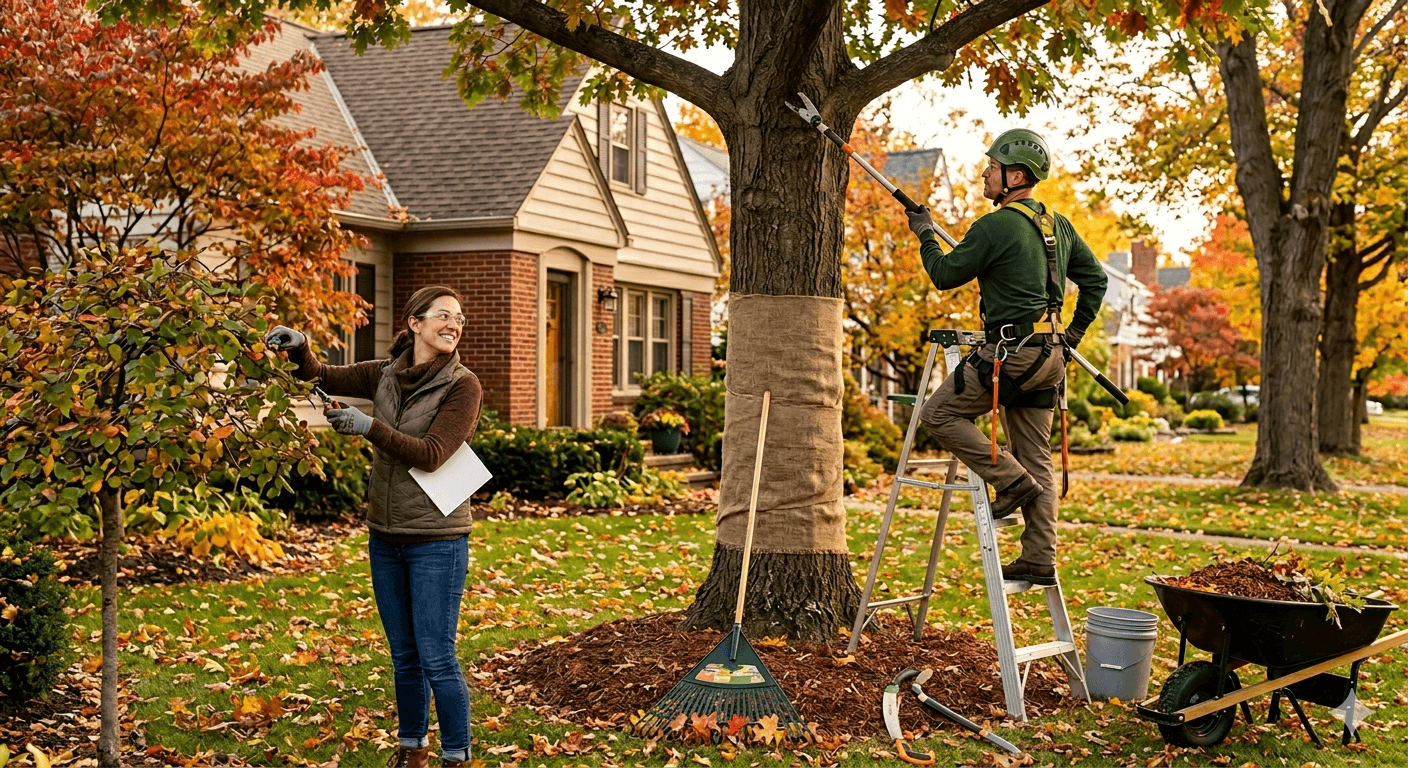
Tree Care and Maintenance Guide for Buffalo, NY Homes
Learn how proper tree care helps protect your Buffalo property throughout every season. Discover expert tips for tree pruning, watering, fertilization, disease prevention, storm preparation, and routine maintenance to encourage healthy growth, improve curb appeal, and reduce the risk of hazardous tree damage.
Continue Reading →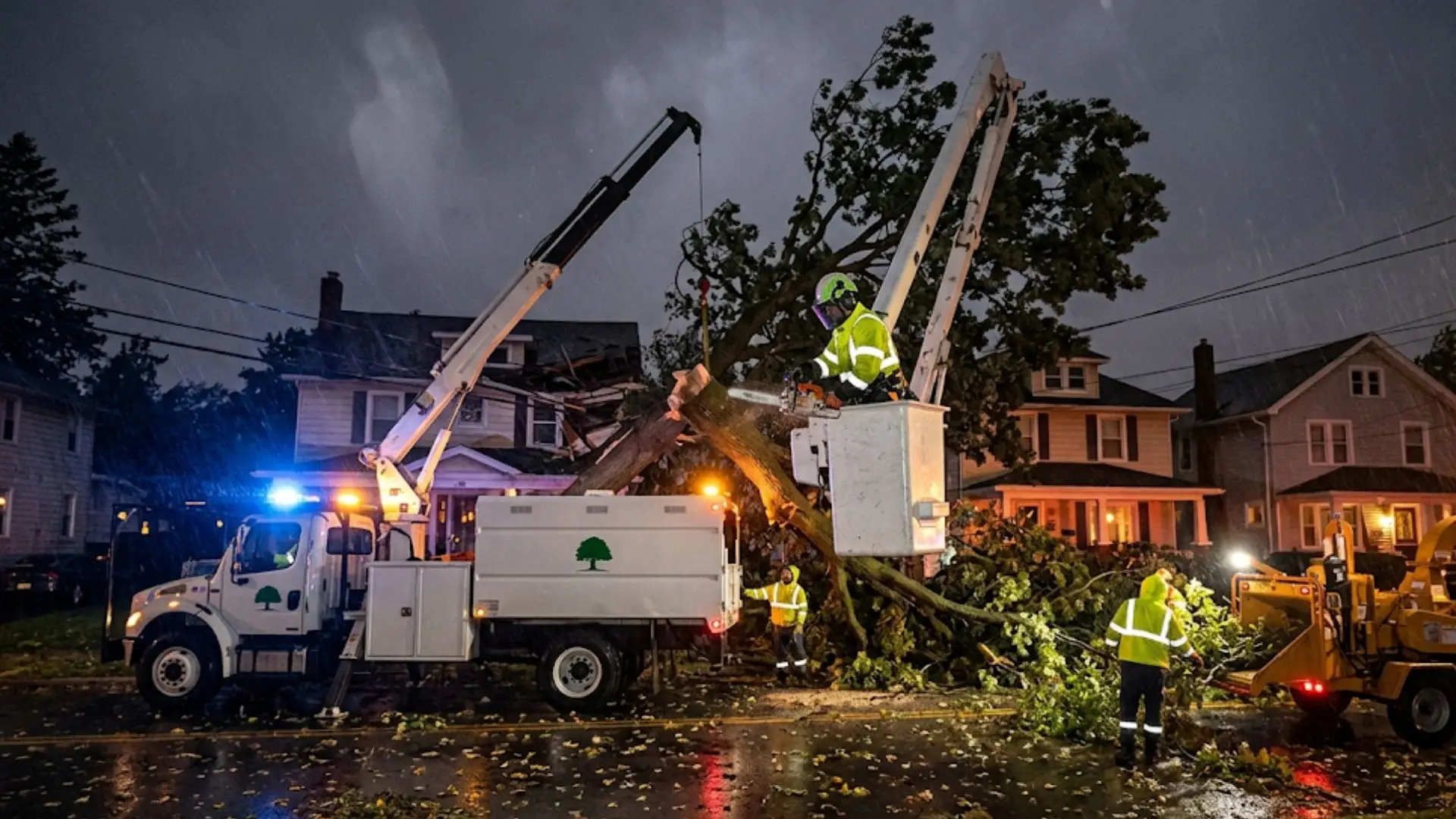
Emergency Tree Removal in Buffalo, NY: 24/7 Fast Service
Find out when emergency tree removal is necessary after severe storms, high winds, fallen trees, or dangerous structural damage. Learn how rapid response crews safely remove hazardous trees, protect your home, and restore safe access for residential and commercial properties across Buffalo.
Continue Reading →Choose Prime Landscapers for Safe Tree Removal in Buffalo
If you’ve noticed any of these signs that a tree needs to be removed, don’t wait until the situation gets worse. Prime Landscapers can help with tree removal service, dead tree removal, leaning tree danger, removal of a hazardous tree, and emergency tree removal after storms.
We focus on safe, professional tree removal while protecting your property and your family. Contact Prime Landscapers for a professional inspection and dependable service.
FAQs
What are the main signs a tree needs to be removed?
Common warning signs include large dead branches, deep trunk cracks, visible decay, hollow sections, fungal growth, and a tree that is leaning more than usual. Trees with severe storm damage, dying canopies, or damaged roots should be inspected promptly to determine if removal is the safest solution.
When should I remove a dead tree?
A dead tree should be removed as soon as possible because it becomes weaker over time and is more likely to lose branches or fall unexpectedly. Early removal helps prevent damage to nearby homes, vehicles, power lines, and landscaping while reducing safety risks.
Why is a leaning tree dangerous?
A tree that begins leaning suddenly may indicate root failure or structural instability beneath the soil. As the tree becomes less stable, strong winds, heavy rain, or snow can cause it to collapse without much warning, creating a serious hazard.
What makes a hazardous tree?
A hazardous tree is one that has significant structural defects, extensive decay, severe storm damage, or unstable roots that increase the risk of failure. These trees can pose a danger to people, buildings, driveways, and nearby utilities if left untreated.
When is emergency tree removal needed?
Emergency tree removal is necessary when a tree has fallen, is partially uprooted, is hanging dangerously after a storm, or poses an immediate threat to people or property. Quick professional response helps reduce further damage and restores safety to your property.
Can a certified arborist save every damaged tree?
No. A certified arborist will assess the tree’s health, structural condition, and likelihood of recovery before making a recommendation. While many damaged trees can be restored with proper pruning and care, severely compromised trees often require safe removal.
How often should I check my trees?
Trees should be inspected at least once each year and after severe weather events such as high winds, heavy snow, or thunderstorms. Regular inspections help identify early signs of disease, decay, or structural problems before they become costly or dangerous.
Why choose Prime Landscapers?
Prime Landscapers provides reliable tree removal and emergency tree services throughout Buffalo with a strong focus on safety, efficiency, and customer satisfaction. Our experienced team carefully evaluates every tree, uses professional equipment, and completes each job with minimal impact on your property.