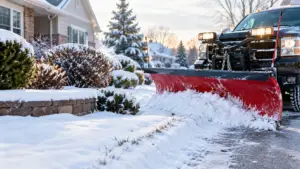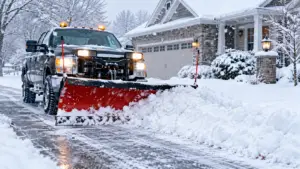
Winter in Buffalo, NY, can be tough on residential and commercial landscapes. Heavy snowfall, icy conditions, repeated plowing, and freezing temperatures can turn a well-maintained property into a landscape repair project by spring. While snow removal is essential for keeping driveways, parking areas, and walkways accessible, careless plowing can damage grass, tear up lawn edges, break shrubs, and disturb landscape beds.
Preventing snow plow lawn damage starts with preparing your property before winter arrives. Clearly marked driveway boundaries, protected planting areas, proper snow placement, and communication with your snow removal provider can significantly reduce the risk of expensive repairs. With a proactive plan, homeowners and commercial property managers can maintain safer surfaces while protecting their outdoor investments.
Prime Landscapers provides landscaping and snow removal services in the Buffalo, NY, area. Understanding how winter maintenance affects your landscape can help you prepare your property for snow season and make informed decisions about protecting your lawn, shrubs, and other outdoor features.
What Causes Snow Plow Lawn Damage?
Snow plow lawn damage occurs when snow removal equipment, accumulated snow, ice, or deicing products harm grass and surrounding landscape features. Damage is particularly common near driveways, parking lots, sidewalks, curbs, and property entrances where snow plows operate close to lawn edges.
Several factors contribute to winter landscape damage.
Hidden lawn boundaries: Once snow covers the ground, plow operators may struggle to distinguish pavement from grass. A blade can move beyond the driveway edge and scrape away turf or soil.
Heavy snow piles: Repeatedly pushing snow into the same area can place excessive weight on grass and shrubs. Large piles may also remain frozen well into spring, delaying recovery.
Equipment traffic: Heavy machinery can compact soil or create ruts when equipment travels over vulnerable lawn areas, particularly when the ground is wet or soft.
Salt and deicing products: Salt carried by melting snow can accumulate near pavement edges. Excessive exposure may cause browning, dehydration, and damage to nearby grass and plants.
Direct contact with landscape features: Plows can strike landscape edging, low walls, sprinkler heads, lighting fixtures, and decorative borders when these features are hidden beneath snow.
Understanding these risks makes it easier to choose preventive measures before the first significant snowfall.
Install Driveway Markers Before the First Snowfall
One of the simplest ways to reduce snow plow lawn damage is to make your property’s boundaries visible. Driveway markers help identify pavement edges when snow and low visibility make it difficult to determine where the driveway ends and the lawn begins.
These markers typically use brightly colored or reflective materials that remain visible during snow removal. Installing them before the ground freezes gives you time to position them correctly and identify vulnerable areas.
For effective placement:
- Mark both sides of the driveway wherever possible.
- Place markers along curves, narrow sections, and areas where pavement edges are difficult to identify.
- Highlight driveway entrances, landscape borders, and other important boundaries.
- Mark low walls, irrigation components, and other features that could be damaged by equipment.
- Check that markers are secure, visible, and tall enough to remain above typical snow accumulation.
Spacing depends on driveway shape, visibility, and local snowfall conditions. Curves and tight spaces may require closer placement than straight sections.
Driveway markers are particularly useful for properties with gravel drives, decorative edging, narrow driveways, or lawns that meet pavement without a raised curb.
Remember that markers guide equipment operators but cannot guarantee that damage will never occur. They work best when combined with clear instructions and careful snow removal practices.
Use Snow Stakes to Protect Lawn Edges
Snow stakes provide another practical way to identify property boundaries during winter maintenance. They are especially helpful when snowbanks obscure driveway edges or when a property includes several entrances and paved areas.
Install snow stakes before the ground freezes whenever possible. Choose highly visible markers that suit your property’s layout and expected snow depth. Reflective markers can improve visibility during nighttime plowing and early morning snow removal.
Place stakes where operators can easily see the intended route without creating unnecessary obstacles. Avoid positioning them where vehicle tires, snow blowers, or pedestrians are likely to strike them.
For larger properties, consider marking more than the driveway perimeter. Commercial parking areas may need visible boundaries near curbs, islands, loading areas, and landscape beds.
It is also important to identify sprinkler heads, landscape lighting, and other equipment located near paved surfaces. These features can be expensive to repair if a plow blade or vehicle strikes them.
At the end of winter, remove or inspect the markers before routine mowing begins. Leaving them in place can create a hazard for lawn maintenance equipment.
Protect Shrubs and Landscape Beds During Winter
Protecting shrubs in winter requires more than keeping snow removal equipment away from planting areas. Heavy snow, ice accumulation, and repeated snow dumping can damage branches and place stress on plants.
Shrubs positioned beside driveways, walkways, and parking lots are especially vulnerable because these areas often become convenient places to push snow.
Establish Clear Snow Storage Areas
Decide where plowed snow should go before the season begins. Avoid using delicate planting beds as default snow storage locations, especially where repeated plowing would bury shrubs under heavy snowbanks.
Choose designated snow storage areas that provide adequate space and do not obstruct drainage, entrances, or visibility. On commercial properties, identify these areas clearly for snow removal crews.
Protect Vulnerable Shrubs
Young shrubs and plants with brittle branches may benefit from appropriate protective barriers. Temporary fencing or other suitable guards can help prevent direct contact from equipment and reduce accidental impacts.
For certain shrubs, breathable protective materials may help limit winter exposure. However, protection should suit the plant species and local conditions. Avoid tightly wrapping plants in materials that trap excessive moisture or restrict airflow.
Keep Snow Piles Away From Branches
Do not repeatedly push heavy, compacted snow directly against shrubs. The weight can bend or break branches, while ice buildup can increase the risk of structural damage.
If snow accumulates naturally on branches, avoid striking or shaking frozen limbs aggressively. Frozen branches can break more easily than flexible branches.
A thoughtful snow placement plan helps preserve landscape beds and reduces the need for extensive spring cleanup.
Communicate With Your Snow Removal Provider
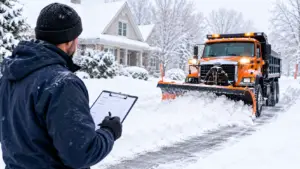
Even well-prepared landscapes can experience damage if snow removal instructions are unclear. Before winter begins, discuss your property’s layout, vulnerable areas, and preferred snow storage locations with your service provider.
If you hire a company for snow plowing Buffalo NY, provide clear information about the areas that need special attention.
Your winter maintenance discussion should cover:
- The exact boundaries of driveways and parking areas.
- Locations of landscape beds, shrubs, and decorative borders.
- Hidden irrigation components, outdoor lighting, and other equipment.
- Designated areas for pushing and stacking snow.
- Any narrow entrances, sloped surfaces, or difficult turning areas.
- Procedures for reporting damage or identifying changing site conditions.
For commercial properties, written instructions and a site walkthrough can help establish consistent expectations across repeated visits.
Communication is especially important during heavy snowfall when visibility is poor and operators must work efficiently. Clear markings and an agreed snow placement plan can help reduce guesswork.
Prime Landscapers can help property owners consider how landscaping and snow removal needs work together. Planning ahead allows winter maintenance to focus on accessibility while taking the surrounding landscape into account.
Choose Snow Placement Carefully
Where snow is deposited can influence how well your lawn and landscaping recover in spring. Pushing every load into one convenient location may seem efficient, but repeated accumulation can create concentrated weight, prolonged shade, and excess moisture during thawing.
Whenever possible, select snow storage areas that are large enough to accommodate expected accumulation without damaging lawn edges or planting beds.
Avoid blocking drainage routes or piling snow where melting water could collect against structures. Snowbanks can also reduce visibility near driveways and entrances if placed carelessly.
Salt-laden snow deserves additional consideration. Snow collected from heavily treated pavement may contain deicing residues that can affect plants and soil. Avoid depositing this material directly onto sensitive shrubs or valuable planting beds.
On commercial properties, snow placement should also account for pedestrian access, accessible parking, sightlines, and emergency routes. A snow management plan should support safe movement throughout the property without sacrificing landscape protection.
Repairing Plow Turf Damage After Winter
Even with preventive measures, some lawns experience damage during Buffalo’s winter season. Once snow melts, inspect the property for scraped turf, exposed soil, compacted areas, broken edging, and salt-related discoloration.
Effective plow turf damage repair begins with identifying the cause and extent of the problem.
Assess the Damaged Area
Look for missing grass, uneven soil, deep ruts, and areas where water collects. Check whether the damage is limited to the surface or whether the soil has been significantly displaced or compacted.
Wait until the ground is sufficiently thawed and workable before performing major repairs. Working on saturated soil can worsen compaction and create additional surface damage.
Restore the Soil
Remove loose debris, scattered gravel, and damaged plant material. For shallow ruts, carefully restore the surface and improve the soil grade where necessary.
If equipment has compacted the soil, appropriate loosening or aeration may help, depending on the severity and site conditions. Address drainage problems before establishing new grass.
Repair Bare Patches
Small damaged areas may recover with suitable seed and proper care. Larger areas with missing turf may require more extensive soil preparation, reseeding, or sod installation.
Choose a grass seed mixture appropriate for the existing lawn, sunlight exposure, and growing conditions. Follow recommended watering and establishment practices to encourage healthy growth.
Address Salt-Related Damage
Where deicing salts have accumulated, soil conditions and drainage should be evaluated before reseeding. In suitable locations, thorough watering after the ground thaws may help move soluble salts through the soil, provided drainage is adequate and runoff is managed responsibly.
Do not assume that every brown patch is caused by salt. Winter disease, drought stress, compacted soil, and physical damage can produce similar symptoms.
Professional assessment can help determine the most suitable repair approach and prevent unnecessary work.
Create a Complete Winter Landscape Protection Plan
Preventing winter damage is easier when landscape protection is part of your regular property maintenance plan. Instead of waiting until the first snowstorm, use autumn to identify risks and prepare the site.
Start by walking around the property and noting vulnerable lawn edges, shrubs near pavement, irrigation components, decorative features, and areas where snow could accumulate. Install driveway markers and snow stakes before the ground freezes.
Next, decide where snow should be placed and communicate those instructions to the snow removal provider. Remove movable decorations and inspect existing landscape borders before winter conditions make them difficult to see.
Commercial property owners should also evaluate parking lot islands, entrance landscaping, pedestrian routes, and areas where snow storage could interfere with visibility or drainage.
Finally, plan a spring inspection. Early identification of damaged turf, broken branches, and soil problems allows repairs to begin when weather and ground conditions are suitable.
Prime Landscapers serves the Buffalo, NY, area with landscaping and snow removal solutions. Coordinating winter service with landscape maintenance can help property owners prepare for changing weather, protect outdoor features, and maintain attractive grounds throughout the year.

Outdoor Lighting Ideas for Buffalo, NY: Safety & Curb Appeal
Explore outdoor lighting ideas that can improve nighttime visibility, highlight landscape features, and enhance curb appeal for Buffalo properties. Learn about pathway lights, entryway lighting, driveway illumination, landscape accent lights, energy-efficient fixtures, and practical placement tips for Western New York homes and commercial properties.
Continue Reading →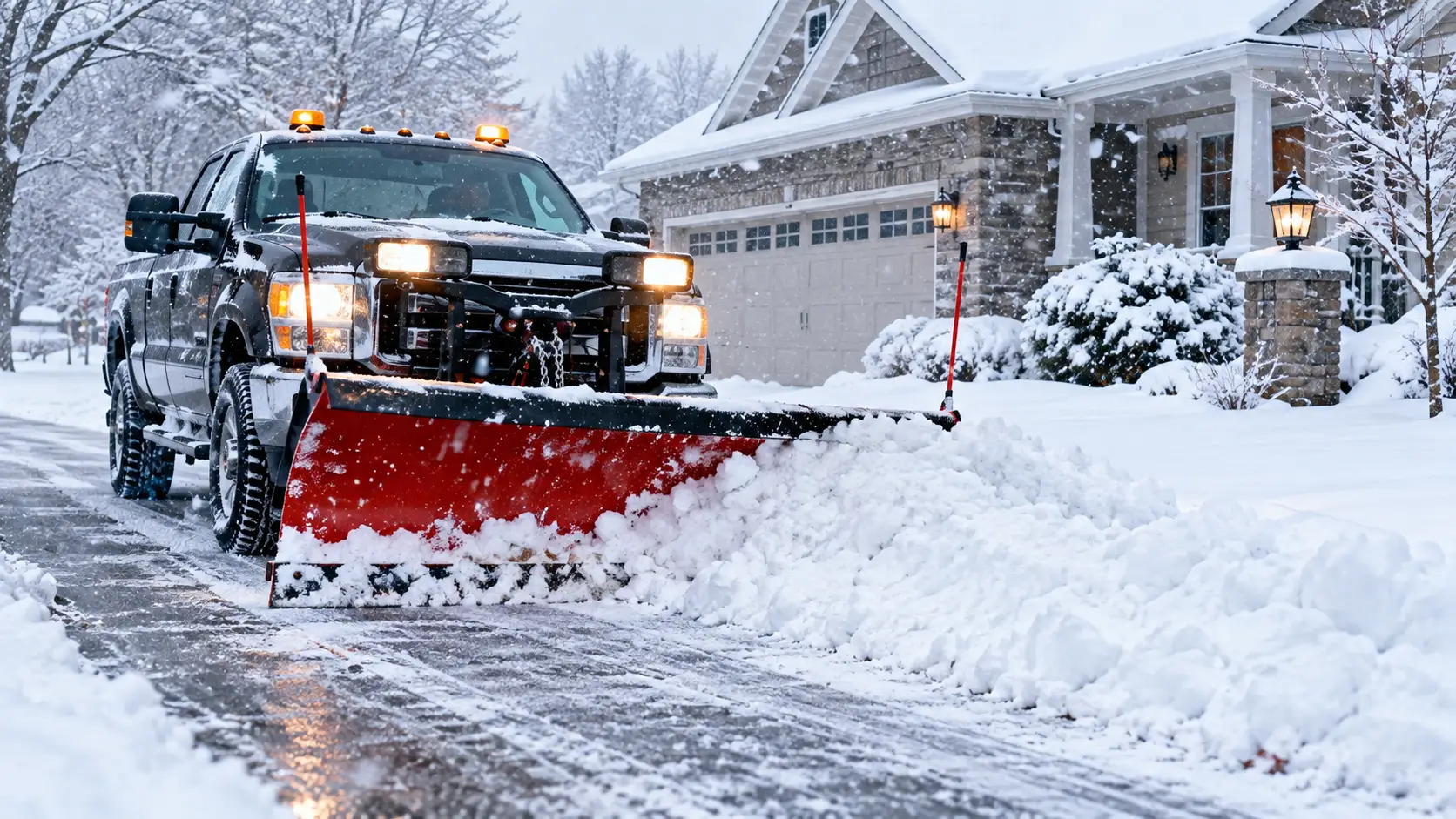
Snow Removal Service in Buffalo, NY for Safer Winter Properties
Learn how professional snow removal can help Buffalo property owners maintain safer and more accessible outdoor spaces throughout winter. Discover the importance of clearing driveways, parking lots, sidewalks, entrances, and access routes, along with snow plowing, ice management, salting, de-icing, and seasonal maintenance planning for residential and commercial properties.
Continue Reading →Protect Your Landscape With Prime Landscapers
Snow removal is essential for maintaining access and reducing winter hazards, but it should not come at the expense of your lawn and landscaping. Simple steps such as installing driveway markers, using snow stakes, protecting shrubs, identifying snow storage areas, and communicating with your provider can help minimize winter damage.
For Buffalo property owners, preparation is especially valuable because repeated snowfall can hide lawn boundaries and make landscape features difficult to see. A clear winter maintenance plan helps reduce avoidable repairs and supports healthier grass and planting areas when spring returns.
Prime Landscapers can help you plan landscaping and snow removal services around your property’s needs. Visit www.primelandscapers.com to learn more about available services and discuss ways to prepare your property for winter.
Frequently Asked Questions
What causes snow plow lawn damage?
Snow plow lawn damage commonly occurs when equipment crosses pavement boundaries, scrapes turf, compacts soil, or pushes heavy snow onto grass and shrubs. Salt exposure and repeated snow accumulation can also contribute to winter landscape problems.
How do driveway markers prevent lawn damage?
Driveway markers identify pavement edges when snow covers the ground. They help operators distinguish driveways from lawns, landscape beds, and other vulnerable areas, reducing the likelihood of accidental plow contact.
When should I install snow stakes in Buffalo, NY?
Install snow stakes during autumn before the ground freezes and regular snowfall begins. Early installation makes placement easier and ensures driveway boundaries and landscape hazards are visible before winter maintenance starts.
How can I protect shrubs during snow removal?
Identify vulnerable shrubs, establish designated snow storage areas, and prevent plows from pushing heavy snow directly into planting beds. Suitable temporary barriers may also help protect plants from equipment contact.
Can snow plowing damage commercial landscaping?
Yes. Commercial properties may experience damaged turf, broken shrubs, displaced edging, and compacted soil near parking lots, entrances, and landscape islands. Clear markings and an organized snow placement plan can reduce these risks.
How do I repair plow turf damage in spring?
Inspect the affected area after snow melts and the soil becomes workable. Remove debris, correct uneven soil, address compaction or drainage issues, and reseed or install sod where grass has been removed. The appropriate method depends on the extent of damage.
Can road salt damage grass and shrubs?
Yes. Excessive salt exposure can cause dehydration, browning, and stress in grass and landscape plants. Preventing salt-heavy snow from accumulating in sensitive planting areas and evaluating soil conditions in spring can help manage damage.
How can Prime Landscapers help protect my property during winter?
Prime Landscapers serves the Buffalo, NY, area with landscaping and snow removal services. Contact the company to discuss your property’s winter maintenance requirements, snow placement concerns, and landscaping needs.